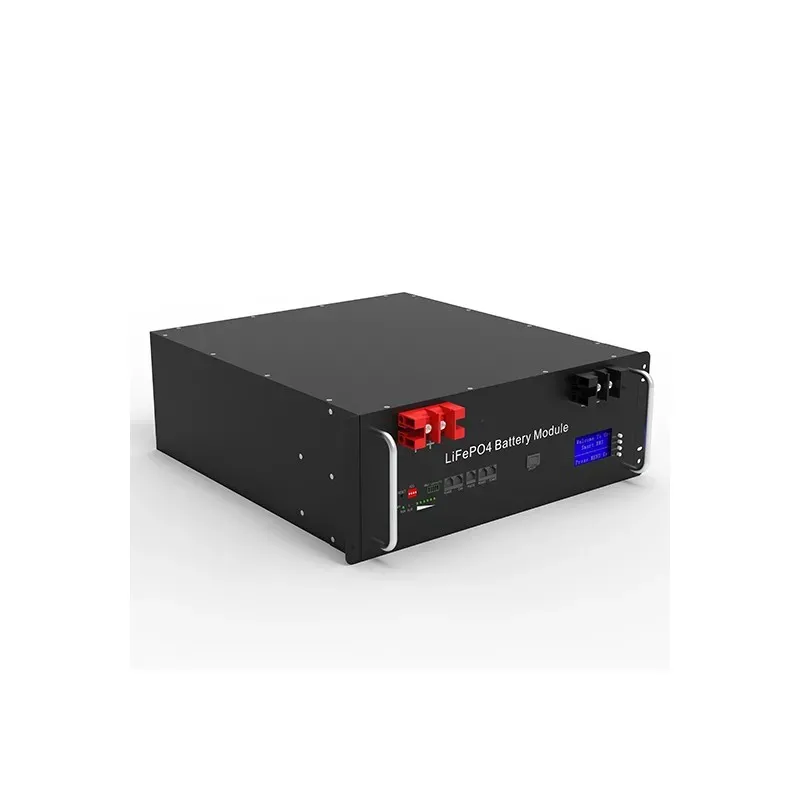
Battery storage systems are devices that store energy for later use. They play a critical role in managing energy consumption and ensuring efficiency in various applications. It's essential to understand how these systems operate before comparing manufacturers.
Familiarize yourself with the different types of battery technologies available:
Battery storage systems can be utilized in various sectors including residential, commercial, and industrial applications. Understanding their specific use will help in identifying the right manufacturer.
Start by researching well-established manufacturers in the field. Look for customer reviews, expert opinions, and industry certifications that validate their reliability.
Visit the official websites of potential manufacturers to gather information on their product offerings and technological advancements. Pay attention to:
Utilize platforms like Trustpilot or Google Reviews to see what users are saying about specific manufacturers. Look for comments on:
When comparing different manufacturers, focus on critical battery specifications:
Examine the lifespan and warranty options provided by manufacturers. Most credible companies offer warranties between 5 to 10 years, which is a good indicator of product reliability.
Look for features that enhance usability, such as:
Compile a list of potential manufacturers and their respective price points. Understand the cost of initial investment versus long-term savings.
Total cost of ownership includes installation, maintenance, and potential upgrade costs. Analyze how these factors affect overall affordability.
Avoid pitfalls such as:
Robust customer service can significantly influence your purchasing decision. Review how effectively manufacturers address customer inquiries and handle complaints.
Evaluate whether the manufacturer offers comprehensive technical support, such as:
Be wary of manufacturers with:
Compile all your research and weigh the pros and cons of each manufacturer. Create a comparison table to visualize key attributes.
Once you have evaluated each manufacturer based on quality, cost, and support, make your decision. Ensure that your chosen solution fits your energy needs and budget.
After purchasing, stay engaged with your chosen manufacturer for maintenance tips, updates, and potential upgrades as technology evolves.
Analyzing battery storage manufacturers effectively can lead you to an informed purchasing decision that meets your energy storage needs. Companies like ZEMBATT, which you can explore further at ZEMBATT, exemplify reliability in the battery storage market. By following these detailed steps, from understanding systems to evaluating customer service, you can minimize risks and maximize performance.
Latest News

Hot Products
More Products