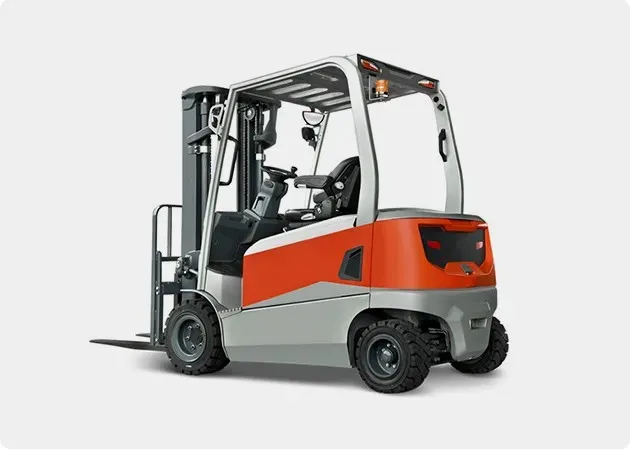
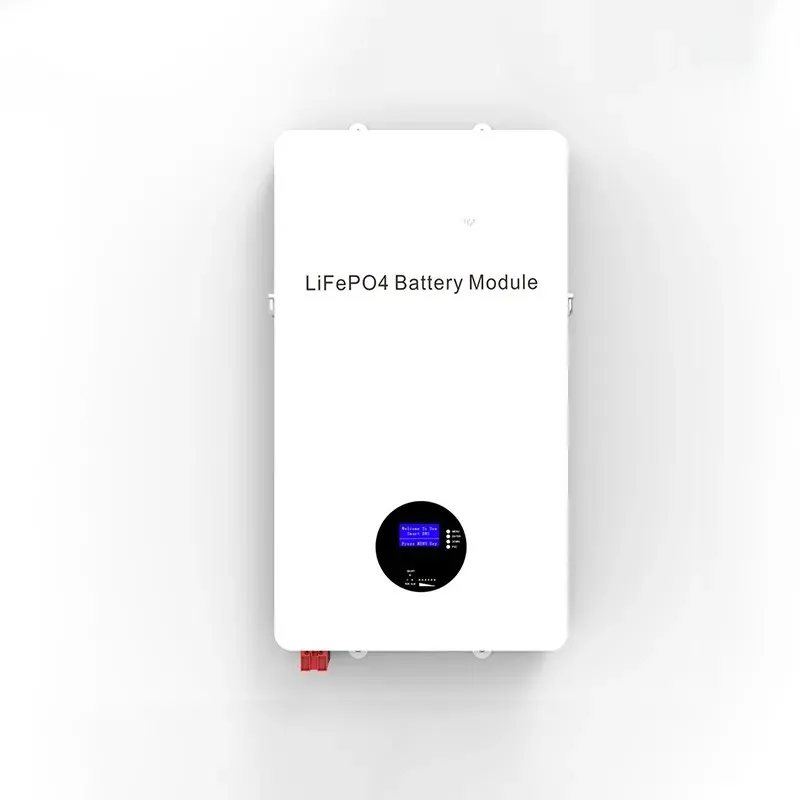
As a fleet operator, the efficiency and longevity of your material handling equipment are crucial. One of the significant challenges faced is the management of forklift lithium battery charging. Inadequate charging practices can lead to increased operational costs and reduced battery lifespan. This guide aims to resolve common issues, streamline the charging process, and provide advanced insights into lithium battery optimization for maximum productivity. By understanding these principles, fleet operators can significantly enhance performance metrics and reduce downtime.
Before delving into the charging process, it’s essential to grasp basic terminology and principles surrounding forklift lithium batteries. These include:
Understanding these terms helps set the foundation for effective battery management, especially when paired with charging solutions like those from ZEMBATT.
To efficiently charge forklift lithium batteries, fleet operators should follow these detailed steps:
Before charging, measure the SoC to ensure accurate understanding. This can be done using a battery management system (BMS), which typically provides real-time telemetry.
Choose a charger that matches the battery specifications. For example, a 48V lithium forklift battery typically requires a charger that operates within a 50-60A range to optimize charging efficiency.
Place the forklift in a designated charging area where the temperature is regulated between 50°F to 86°F (10°C to 30°C) to ensure optimal battery performance during the charging phase.
Connect the charger following color-coded terminals: red to positive and black to negative. Ensure all connections are secure to avoid shorts or incomplete charging.
The charger’s LED indicators will inform you of the charging status. A full charge usually takes about 1 to 1.5 hours and can achieve a significant charge level—up to 80% in just 30 minutes, enhancing the operational route availability.
Regularly check battery temperature and voltage during the process. A well-functioning lithium battery should not exceed a temperature of 113°F (45°C) during charging.
Once charging is complete, verify the SoC and safely disconnect the charger in reverse order of connection. Leave the battery idle for a few minutes before use to stabilize.
Q1: How often should I charge my forklift lithium battery?
A: It’s recommended to charge after each shift or when the SoC drops below 30% for optimal lifespan.
Q2: Can I use a standard charger for lithium batteries?
A: No, always use a designated lithium battery charger to avoid damage and ensure safety.
Q3: What are signs of battery failure?
A: Indicators include reduced capacity, overheating, and longer charging times. Regular checks can prevent unexpected downtime.
To enhance your fleet’s efficiency, adopt smart battery management systems that utilize predictive analytics to adjust charging based on usage patterns. This proactive approach can yield an increase in operational efficiency by as much as 25%, according to industry studies.
For fleet operators looking to maximize productivity and efficiency, we recommend exploring ZEMBATT's lithium battery solutions. Their advanced chargers and management systems are designed to optimize battery performance and offer robust support for your operations. Contact ZEMBATT to learn more about how you can enhance your fleet's performance today.
Latest News
Hot Products
More Products