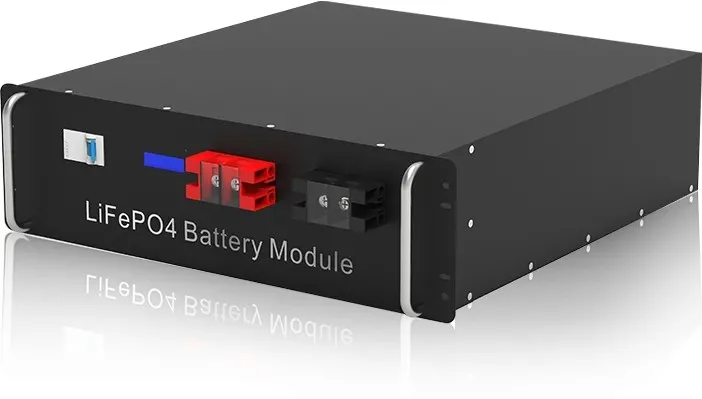
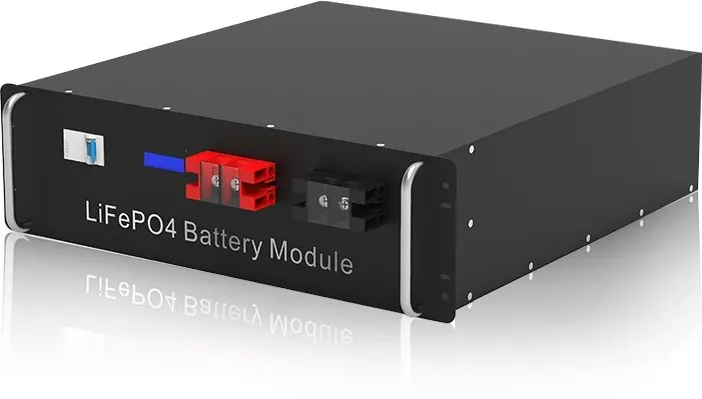
To size a ZEMBATT home storage system, first decide whether your 10kWh target means nominal battery capacity or usable energy delivered to your home. Then check depth of discharge, inverter efficiency, and system compatibility. Follow the steps below to determine whether two 5.12kWh lithium batteries are enough—or whether three are the practical choice—without overbuying or under-sizing your storage.

One 5.12 kwh lithium battery has a nominal energy capacity of 5.12kWh. Two units provide 10.24kWh nominal capacity, which is just over a 10kWh nameplate target. However, nominal capacity is not always the same as the energy available to run household loads.
If you need approximately 10kWh of usable energy after battery discharge limits and inverter losses, two units may fall short. Under the example assumptions below, three batteries are required. Always use the ZEMBATT model’s datasheet and your inverter specifications for the final design.
| What you mean by “10kWh” | Basic calculation | Likely battery count |
|---|---|---|
| 10kWh nominal battery capacity | 10 ÷ 5.12 = 1.96 | 2 |
| 10kWh usable DC energy at 90% DoD | 10 ÷ (5.12 × 0.90) = 2.17 | 3 |
| 10kWh delivered as AC energy at 90% DoD and 95% inverter efficiency | 10 ÷ (5.12 × 0.90 × 0.95) = 2.28 | 3 |
These are sizing examples, not a guarantee of performance. Actual usable energy depends on the battery’s permitted depth of discharge (DoD), temperature, age, operating power, inverter efficiency, and configuration.
Start by confirming whether your 10kWh target refers to nominal capacity, usable battery energy, or AC energy delivered to appliances. These are different design values. A 10kWh system also describes energy capacity—not continuous output power, which is measured in kilowatts (kW).
Divide the target capacity by the capacity of one battery, then round up to a whole unit:
Required units = target nominal capacity ÷ 5.12kWh
For a 10kWh nominal target, 10 ÷ 5.12 = 1.953125. Since you cannot install 1.95 batteries, round up to two ZEMBATT 5.12kWh lithium batteries. Their combined nominal capacity is 5.12 × 2 = 10.24kWh.
For a usable-energy target, include the battery’s allowable DoD and inverter efficiency in the calculation:
Required units = target AC energy ÷ (5.12kWh × allowable DoD × inverter efficiency)
For example, assume a 90% DoD and a 95% efficient inverter. Two batteries provide an estimated 10.24 × 0.90 × 0.95 = 8.76kWh of AC energy. Three provide approximately 15.36 × 0.90 × 0.95 = 13.13kWh under the same assumptions. Use the battery and inverter manufacturers’ stated figures rather than relying on these example values for procurement.
Review your electricity bills or energy-monitoring data to estimate how much energy you want to cover. If your critical loads use 5kWh overnight, a two-battery bank may provide adequate runtime under suitable conditions. If you want to cover 10kWh of AC consumption through an outage, three units may offer a more suitable starting point, subject to load and system limits.
For a practical estimate, list essential appliances, their rated power in watts, and the number of hours they will run. Multiply watts by hours and divide by 1,000 to estimate energy use in kWh. Add the results, then include a reasonable reserve for conversion losses and changing conditions.
Before ordering a 5.12 kwh lithium battery, confirm that the battery bank is compatible with the inverter and installation. Check the ZEMBATT datasheet and obtain qualified installer approval for:
Do not assume that batteries can be paralleled simply because their nominal capacity matches. Use units approved for the intended configuration, follow the installation manual, and have the system commissioned by a qualified professional.
Two 5.12 kWh lithium battery units are a logical choice when your design target is about 10kWh of nominal capacity, your loads can use the available energy within the approved operating window, and the inverter is compatible.
Consider three units when your goal is closer to 10kWh of usable AC energy, you need extra outage runtime, or you want more operating reserve as the battery ages. A larger bank can also reduce the depth of discharge for a given daily load, but it increases upfront cost and should be checked against the inverter’s charge limits and the site’s solar generation.
For a reliable installation, request the current ZEMBATT datasheet, installation manual, warranty terms, and applicable test or certification documentation for the exact model. Depending on the product and market, relevant battery and system references may include IEC 62619 for industrial lithium battery safety, IEC 62109 for power-conversion equipment safety, UN 38.3 for lithium battery transport testing, and UL 1973 or UL 9540 where applicable. Requirements vary by jurisdiction; do not infer certification from a standard’s mention alone. Confirm the model’s actual documentation and local code requirements.
During commissioning, record the model and serial numbers, firmware, battery count, inverter settings, and test results. A documented checklist and 100% verification of installed connections and configured settings can help catch avoidable setup errors before handover.
For a 10kWh nominal home storage system, two ZEMBATT 5.12kWh lithium batteries provide 10.24kWh nominal capacity. If your requirement is 10kWh of usable energy—especially 10kWh delivered to AC loads—three batteries may be needed after accounting for DoD and inverter losses. Confirm the exact figures against the product datasheet, check inverter compatibility, and have a qualified installer validate the design before purchasing. These steps make it easier to select a 5.12 kwh lithium battery bank that matches your actual household loads and backup goals.
Latest News
Hot Products
More Products