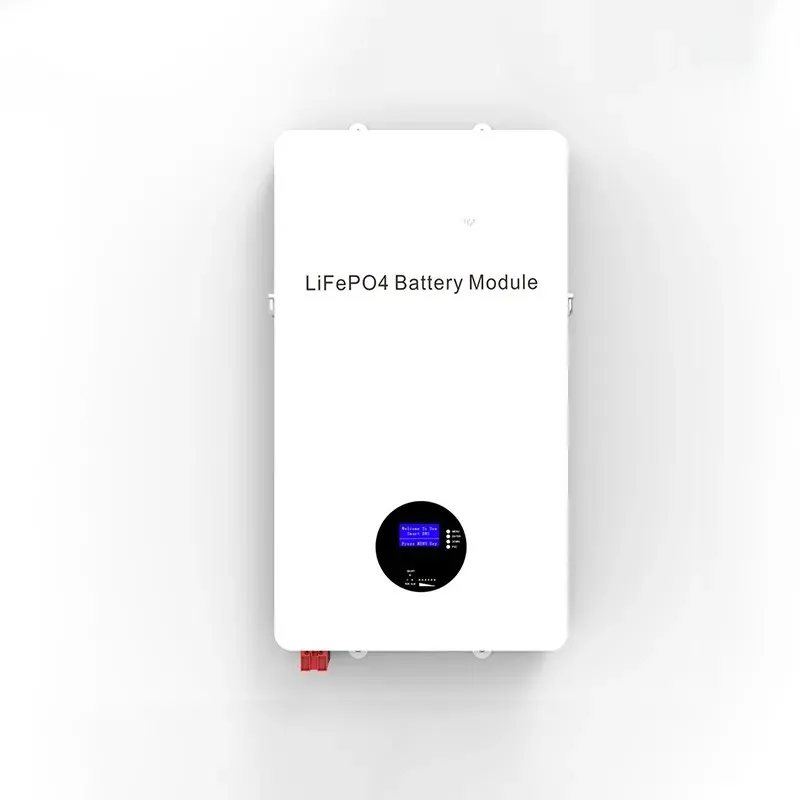
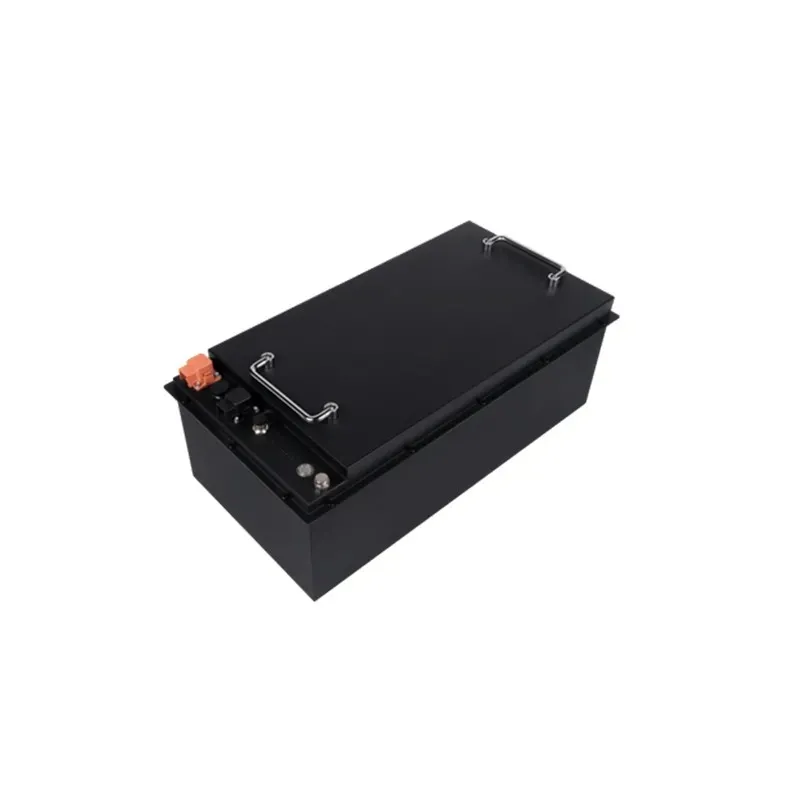
A 2.56KWH Energy Storage Battery can run a small appliance for many hours or a group of essential household devices for a shorter time. The actual backup runtime depends on how much of the battery's rated energy is usable, the inverter's efficiency, and the total power draw of the connected loads. This guide explains how to estimate runtime, check whether a battery suits your needs, and avoid common sizing mistakes.
People comparing backup batteries usually want to know which appliances they can keep running, how long those appliances will operate, whether the battery can handle startup surges, and what equipment is needed for a safe installation. Use the steps and examples below to get a practical estimate before you buy.

The 2.56kWh figure is the battery's rated energy capacity. The energy available to your appliances can be lower because of the battery's permitted depth of discharge, inverter conversion losses, battery management settings, temperature, and reserve settings. Check the product datasheet for usable energy rather than assuming that every rated kilowatt-hour reaches your appliances.
For an AC appliance, estimate runtime with this formula: runtime in hours = battery capacity in kWh x depth of discharge x inverter efficiency / appliance load in kW. If the manufacturer provides a usable energy figure, use that figure and do not apply the depth of discharge a second time.
For example, using 2.56kWh, a 90 percent depth of discharge, and 90 percent inverter efficiency gives about 2.07kWh of estimated AC energy: 2.56 x 0.90 x 0.90 = 2.0736kWh. This is an estimate, not a guaranteed runtime. Real results vary by battery model, load pattern, temperature, and system settings.
Capacity, measured in kWh, indicates how much energy is stored. Power, measured in kW, indicates how much the battery and inverter can deliver at one time. A battery may have enough stored energy for an appliance but still be unable to run it if the appliance exceeds the inverter's continuous output rating or startup surge rating. Confirm both ratings before connecting loads.
The examples below assume about 2.07kWh of usable AC energy based on the assumptions in the previous section. Actual runtime will be shorter if usable energy is lower, if the inverter has higher losses, or if the load draws more power than its label suggests.
Add the running watts of all appliances that may operate at the same time, then divide estimated usable energy by the combined load in kW. For example, a 100W router, a 60W light, and a 140W laptop load total 300W, or 0.3kW. At 2.07kWh of usable energy, the simple estimate is about 6.9 hours. If any device cycles on and off, its average power draw may be lower than its rated running watts, but measuring its consumption gives a more reliable estimate.
Motors and compressors, including those in refrigerators, pumps, and some air conditioners, may briefly require more power when starting than while running. Check the appliance's surge requirement and the inverter's surge rating. A battery runtime calculation does not prove that the system can start the appliance. For refrigerators and similar loads, consider both the startup surge and the energy used over a full day.
Write down each essential appliance, its rated watts, and how many hours you expect to use it during an outage. Include small loads such as routers, chargers, and control electronics because they can add up over a long backup period.
Read the appliance label or manual for its wattage. If the label gives volts and amps, watts can be estimated as volts x amps for a simple single-phase load, but the result may not equal actual power for every device. For appliances that cycle or vary their power, measure consumption during normal use with a suitable energy meter.
Separate essential loads from optional loads. Add the running watts of the devices you expect to use simultaneously. Check the total against the battery system's continuous output rating, and check motor loads separately for startup surges.
Check the datasheet or user manual for usable capacity, permitted depth of discharge, inverter efficiency, and reserve settings. If the manufacturer lists usable AC energy for the complete system, use that value directly. If only nominal capacity is available, use a conservative estimate and clearly record the assumptions.
Divide the total load in watts by 1,000 to get kilowatts. Divide usable energy in kWh by the load in kW to estimate hours. For example, 600W is 0.6kW. With 2.07kWh available, 2.07 / 0.6 gives an estimated runtime of about 3.45 hours.
Allow for standby consumption, inverter idle draw, temperature limits, battery age, and changes in appliance use. If the estimate is close to the minimum backup time you need, plan for a larger capacity or reduce the load rather than relying on the best-case calculation.
After installation, test the intended loads under supervision and record battery state of charge and runtime. Follow the manufacturer's connection and safety instructions. Do not open the battery or work on live wiring; use a qualified installer for electrical work that requires one.
A plug-in energy meter is useful for compatible appliances with standard plugs, but it is not suitable for every circuit or high-power installation. Do not remove covers or probe exposed conductors to obtain a reading. Ask a qualified electrician to measure hardwired loads or circuits when needed.
Compare more than the headline kWh rating. Check the system's usable energy, continuous output, surge capability, recharge time, and whether additional batteries can be added. If your essential loads need more runtime than one unit can provide, ask the supplier to size a compatible system rather than assuming batteries can be connected together freely.
Battery voltage, communication protocol, inverter model, charging limits, and approved wiring must match. A common configuration for a 2.56kWh battery may use a nominal voltage and amp-hour combination that produces approximately that capacity, but specifications differ by model. Verify the actual label and manufacturer documentation before purchase or installation.
Review the battery chemistry, battery management protections, permitted operating temperature, installation requirements, warranty conditions, and local service support. Ask how the warranty treats daily cycling, backup use, and system integration. ZEMBATT can provide product information to help buyers compare battery specifications and plan a suitable storage setup.
Using the full 2.56kWh in every calculation can overstate backup time. Use the manufacturer's usable energy specification or account for depth of discharge and conversion losses.
kWh describes stored energy, while kW describes the rate of power delivery. Confirm that the inverter can supply the appliances' running load and startup surge, even when the battery has enough energy for the estimated duration.
Some appliances cycle, change speed, or draw power in standby. A nameplate value may not represent average consumption. Measure variable loads when possible and include all devices that will run together.
Cold or hot conditions outside the manufacturer's operating range can affect performance or prevent operation. Battery aging and inverter idle consumption can also reduce runtime. Use a margin in your plan and follow the specified environmental limits.
Do not connect batteries based only on similar voltage or capacity labels. Use approved equipment, wiring, and configurations. Incorrect connections can damage equipment and create a safety hazard. Follow the product manual and use a qualified installer where required.
Choose the appliances that matter most, measure their actual energy use where practical, and compare their combined demand with the system's usable energy and power limits. If the estimated runtime is too short, reduce the load, use appliances in sequence, or consider a larger or expandable system that is approved for your inverter.
A 2.56kWh battery can provide very different runtimes depending on load and system efficiency, so use the calculation as a planning tool rather than a guarantee. Confirm usable capacity, continuous and surge output, compatibility, safety requirements, and warranty details with the manufacturer. With those details checked, a 2.56KWH Energy Storage Battery from a supplier such as ZEMBATT can be assessed against your real backup needs.
Latest News
Hot Products
More Products