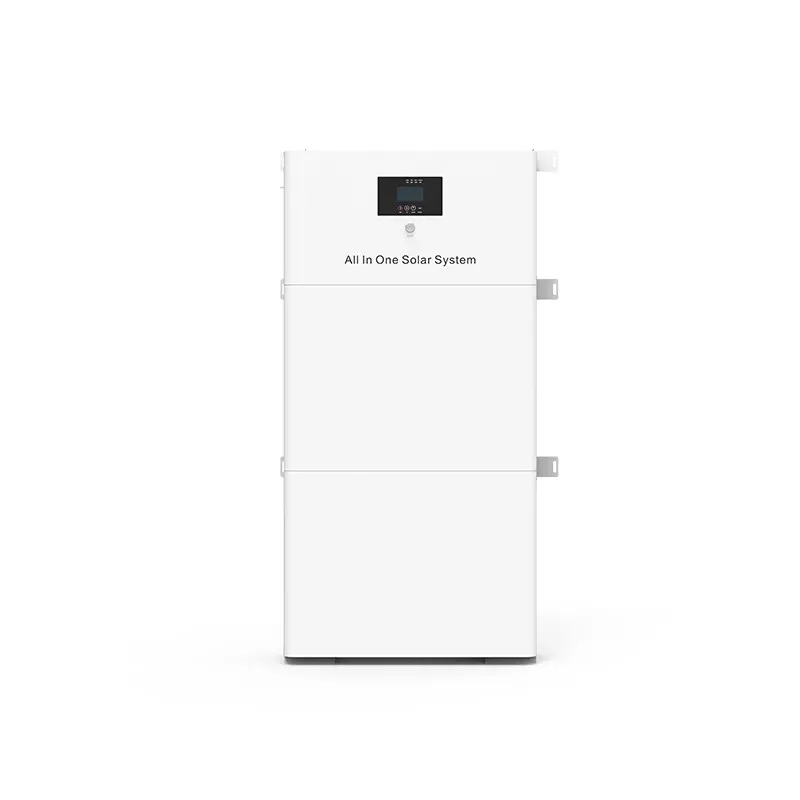
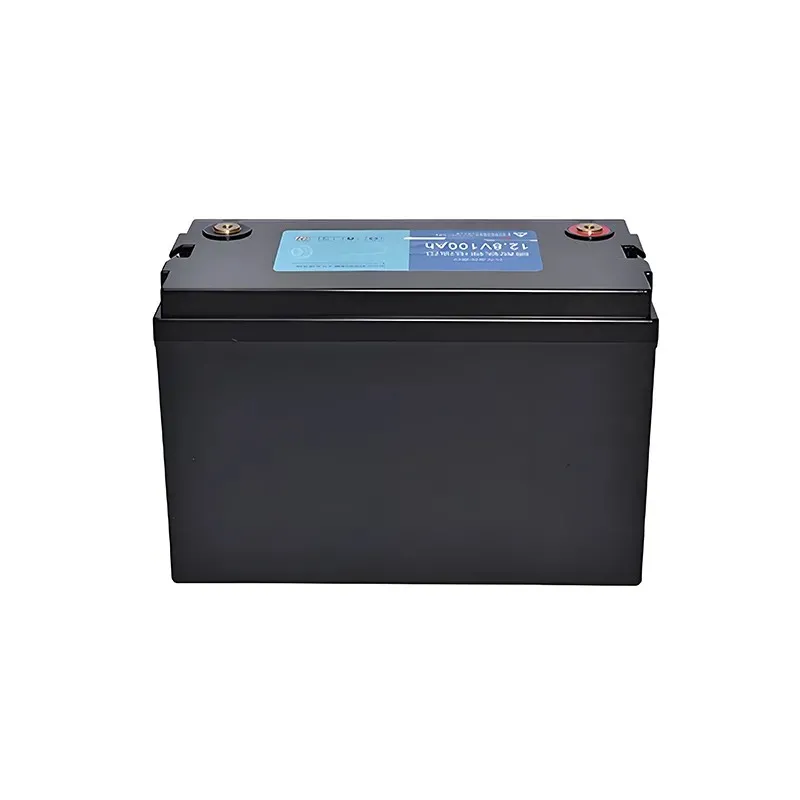
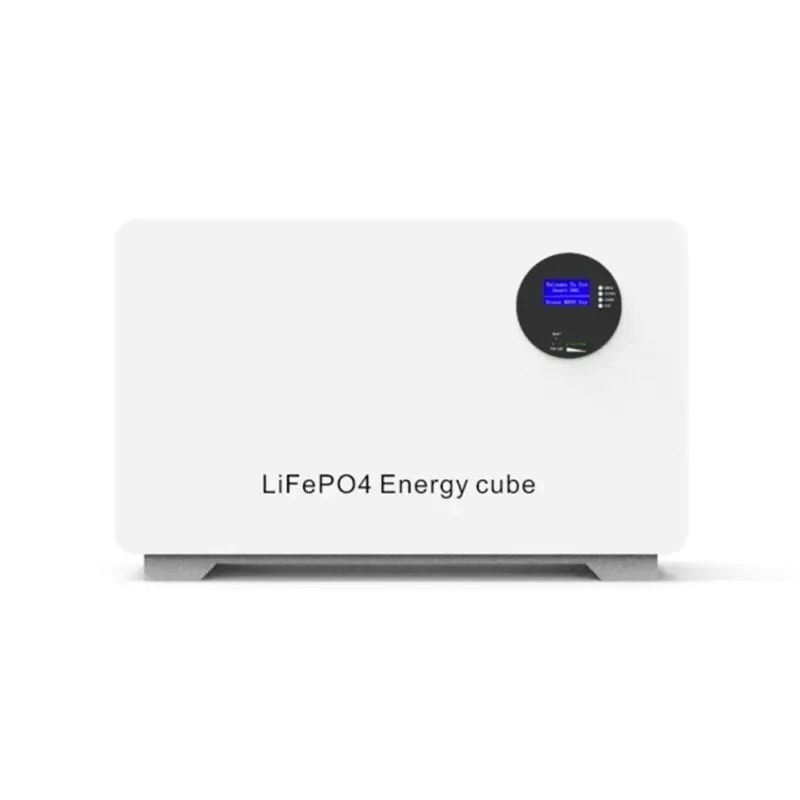
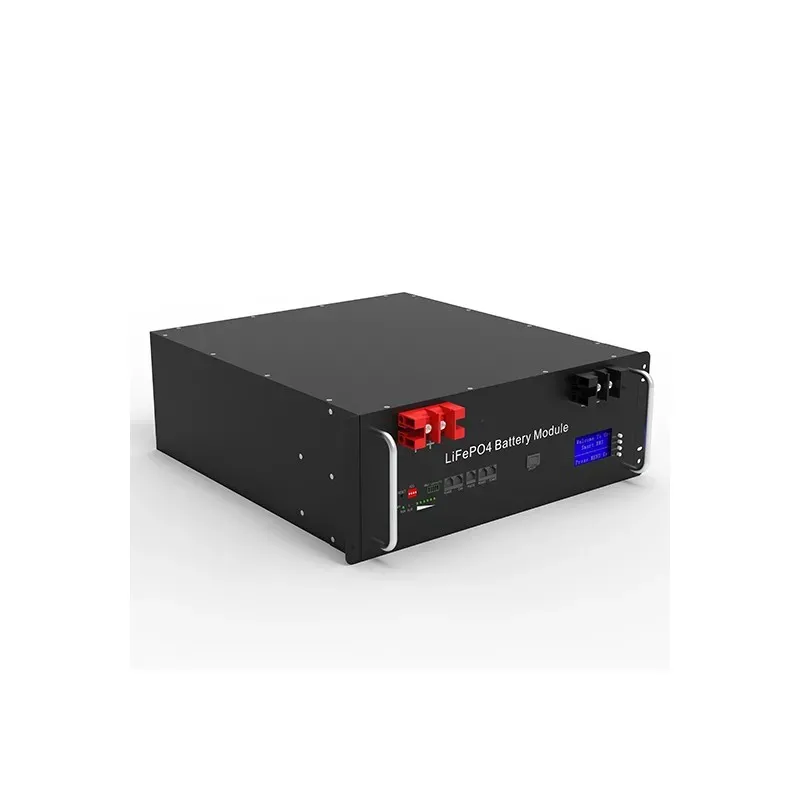
When considering bulk orders of LiFePO4 batteries, auditing the factory that produces them is paramount. A comprehensive audit not only ensures quality but also establishes trust between you and the manufacturer. Before placing significant orders, understanding the production processes, safety standards, and quality control measures of the lifepo4 battery factory is essential.
1. Understanding the LiFePO4 Battery Manufacturing Process
- Overview of LiFePO4 Technology: Familiarize yourself with lithium iron phosphate (LiFePO4) chemistry, its advantages, and its application areas.
- Key Components and Materials: Identify critical materials used in LiFePO4 batteries, including the sourcing and quality of lithium, iron, and phosphate.
- Manufacturing Stages: Document the stages of battery production, from electrode preparation, cell assembly, to final packing and testing.
2. Establishing Pre-Audit Criteria
- Define Objectives: Determine what you aim to achieve with the audit, such as quality assurance, compliance verification, or supplier viability.
- Compliance Standards: Ensure the factory meets international quality standards (ISO, IEC) and local regulations associated with battery production.
- Performance Metrics: Set benchmarks for performance reviews, including yield rates, defect rates, and production efficiency.
3. Physical Inspection of the Facility
- Work Environment Assessment: Evaluate cleanliness, safety protocols, and the organization of production lines.
- Equipment and Technology Inspection: Examine the machinery used in the manufacturing process for modernity and maintenance standards.
- Quality Control Stations: Check the locations and efficacy of various quality control (QC) stations integrated into the production flow.
4. Quality Control Measures
- ISO Certification Verification: Request documentation showing the factory's adherence to ISO standards for quality management systems.
- Testing Protocols: Inquire about standard testing of batteries, including cycle life tests, thermal stability tests, and abuse testing.
- Traceability Systems: Ensure the factory has comprehensive traceability to track materials and defects throughout production.
5. Documentation Review
- Production Records: Review historical data on production volumes and defect rates for trends and reliability insights.
- Safety Data Sheets (SDS): Examine the documentation for hazardous materials used in the manufacturing process.
- Audit Reports: Look for past audit reports from third-party inspectors that provide insights into previous compliance issues.
6. Supplier Engagement and Communication
- Preliminary Interviews: Conduct interviews with key personnel including production managers, quality control officers, and safety supervisors.
- Feedback Mechanisms: Establish clear channels for ongoing communication regarding production expectations and performance feedback.
- Conflict Resolution Processes: Learn about the factory’s methods for handling disputes or quality issues.
7. Post-Audit Action Items
- Report Creation: Compile findings from the audit into a detailed report highlighting strengths, weaknesses, and areas for improvement.
- Follow-up Meetings: Schedule follow-up discussions with the supplier to address any concerns raised during the audit.
- Set Up Trial Orders: Consider placing smaller trial orders initially to monitor performance based on the audit insights before committing to bulk purchases.
8. Additional Considerations for a Comprehensive Audit
- Environmental Impact Assessment: Examine the factory’s environmental management policies and practices for sustainability (ISO 14001 compliance).
- Workforce Training Programs: Investigate the training and safety protocols for workers involved in battery production.
- Market Reputation: Research the factory’s reputation in the marketplace through reverse audits and customer testimonials.
By systematically approaching the audit process for a LiFePO4 battery factory, you can mitigate risks associated with bulk orders, ensuring quality and compliance that align with your business objectives. Tools and services such as ZEMBATT can offer additional insights into battery technology and supplier options.

ZEMBATT LiFePO4 Battery Technology" />