News

Home  / About Us / News / How to Customize a Lithium Battery Solution for New Products

How to Customize a Lithium Battery Solution for New Products

Sep. 02, 2026

Introduction to Customizing Your lithium battery solution

When integrating lithium battery solutions into new products, manufacturers often face various challenges, including sizing, energy density, and thermal management. These pain points typically arise from the need to optimize battery performance while balancing costs. For instance, a startup developing a new line of electric bicycles faced difficulties in achieving the required battery life while keeping the weight under 5 kg. Understanding these challenges helps identify tailored solutions—like those offered by ZEMBATT—that address specific needs in terms of performance, durability, and safety.

Required Preparation for Custom Lithium Battery Solutions

To customize a lithium battery solution effectively, follow this guide and ensure you have the right materials and tools:

  1. Identify Application Needs: Analyze the specific requirements of your product, including energy consumption, size limitations, and environmental conditions.
  2. Gather Technical Specifications: Collect essential data such as voltage, capacity (measured in ampere-hours, Ah), and discharge rates (C-rate), which are crucial for selecting the right battery type.
  3. Choose Battery Chemistry: Decide between Lithium-ion (Li-ion) or Lithium Iron Phosphate (LiFePO4) based on factors like safety, cycle life, and thermal stability.
  4. Access Manufacturing Resources: Partner with manufacturers like ZEMBATT that can provide tailored solutions according to your specifications and scale of production.

Step-by-Step Guidance to Customize Your Lithium Battery Solution

1. Define Battery Requirements

Clarify the necessary specifications by assessing:

  • Energy needs (Wh)
    Example: A drone needs 50 Wh to function optimally in the field.
  • Dimensions and weight restrictions
    Example: A portable medical device should not exceed 1 kg.
  • Operating conditions
    Example: Batteries used in extreme temperatures must have higher thermal resistance.

2. Select Battery Chemistry

Evaluate which lithium chemistry aligns with your application:

  • Lithium-ion (Li-ion): Offers high energy density (≥ 150 Wh/kg), making it suitable for compact applications.
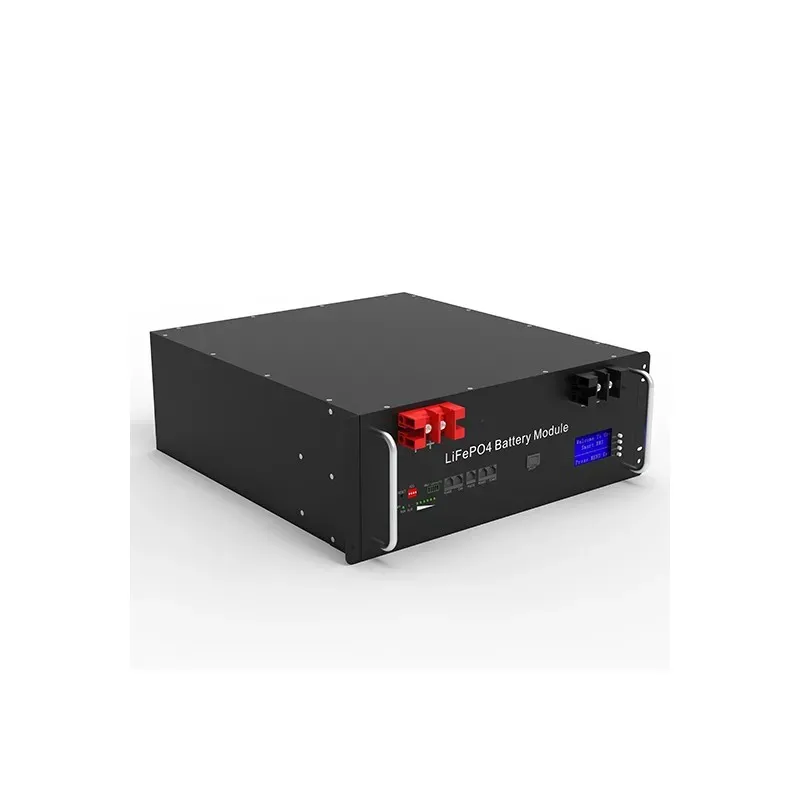
  • Lithium Iron Phosphate (LiFePO4): Known for thermal stability and extended cycle life (up to 2,000 cycles), ideal for heavy-duty uses.

3. Sizing Your Battery Pack

Calculate the total energy capacity required:

  1. List the energy demand of your device.
  2. Divide the total energy requirement by the voltage of the battery to determine the ampere-hours needed.
    Example: A 12V requirement with 48Wh = 4Ah.

4. Design Battery Management System (BMS)

Ensure safety and performance by designing a robust BMS that includes:

  • Voltage and temperature monitoring to prevent overheating.
  • Charging algorithms to maximize battery lifespan.

5. Prototype Testing

Once your design is prepared, create a prototype and conduct comprehensive testing that involves:

  • Cycle tests for longevity.
  • Discharge tests to evaluate performance.
    Example: Testing the battery until reaching 80% discharge.

How to Customize a Lithium Battery Solution for New Products

6. Scale Up Production

After successful prototype validation, prepare for mass production by:

  • Establishing quality control standards.
  • Collaborating with ZEMBATT to provide scalable solutions that meet production demands without compromising quality.

Common Errors and Solutions

Error 1: Incorrect Sizing

Many developers underestimate energy needs. Always add a buffer (20%) to the estimated requirement to accommodate unforeseen power demands.

Error 2: Neglecting Thermal Management

Ignoring heat generation can lead to early failure. Incorporate thermal regulation features like heat sinks or cooling fans in the design.

Error 3: Poor BMS Implementation

Underestimating the importance of a BMS can result in hazardous conditions. Ensure your BMS has comprehensive monitoring capabilities to protect against overcharging.

Summary and Suggestions

Customizing a lithium battery solution requires thorough analysis and careful design. By assessing the application's specific needs, selecting the right materials like those from ZEMBATT, and drafting a detailed plan, you can overcome common challenges and create a reliable battery solution. Always be proactive in testing and seeking feedback to ensure your solution is both effective and safe.

FAQ

What is the average lifespan of a lithium battery?

The average lifespan can vary significantly; however, lithium batteries typically last between 2 to 10 years, depending on usage and chemistry.

How can I enhance the safety of lithium batteries?

Incorporating advanced Battery Management Systems (BMS) and utilizing high-quality materials can significantly enhance safety.

Where can I find customized lithium battery solutions?

Companies like ZEMBATT offer customizable lithium battery solutions tailored to your specific needs and applications.

Latest News



Hot Products

More Products