With ZEMBATT, you can size a 6kWh home battery in a few practical steps: list the appliances you need during an outage, calculate their daily energy use, account for usable battery capacity and inverter limits, then check runtime against your backup goal. This method helps homeowners and installers avoid undersizing, unnecessary costs, and disappointing backup performance.

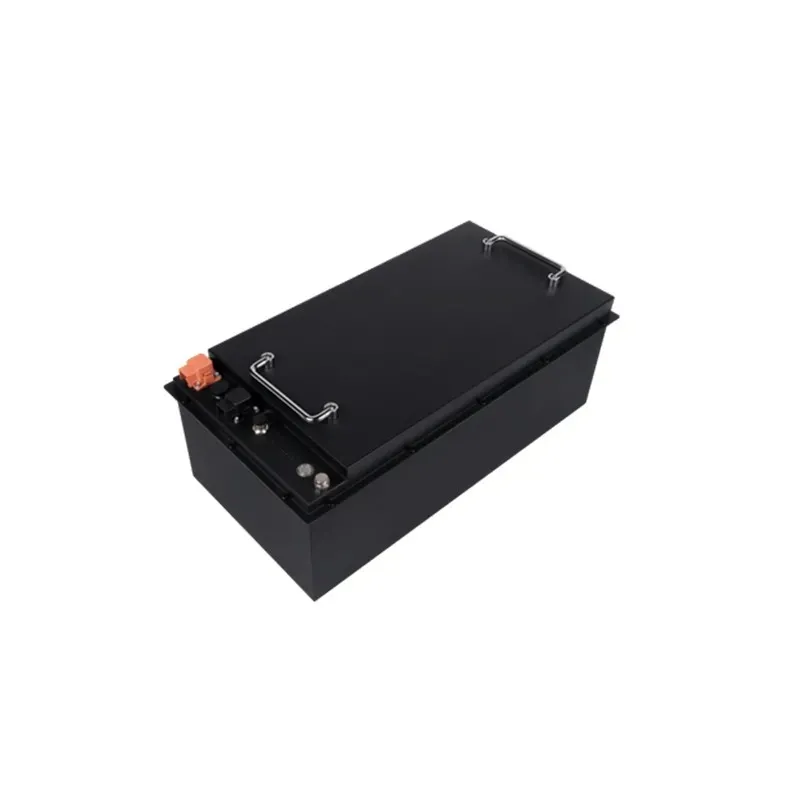
A 6KWH Energy Storage Battery is not automatically a six-kilowatt-hour supply of usable AC electricity. The available energy depends on the battery’s discharge limit, conversion losses, temperature, age, and the inverter. First decide which circuits must stay on; do not size the system around every appliance in the home if your goal is essential-load backup.
Write down each appliance, its wattage, expected hours of use per day, and whether it has a motor or compressor. Use the appliance label or manufacturer datasheet as a starting point. For more reliable planning, measure actual consumption with a plug-in energy meter or a whole-home monitor for seven days, recording readings at 15-minute intervals where possible.
| Essential load | Example average use | Daily energy estimate |
|---|---|---|
| Refrigerator | 150W average for 8 operating-equivalent hours | 1.20kWh |
| Eight LED lights | 80W total for 5 hours | 0.40kWh |
| Internet router | 12W for 24 hours | 0.29kWh |
| Laptop | 60W for 4 hours | 0.24kWh |
| Medical device | 40W for 8 hours | 0.32kWh |
| Fan | 50W for 8 hours | 0.40kWh |
| Total example | 2.85kWh per day |
These are planning figures, not guaranteed appliance consumption. Refrigerator duty cycles vary with room temperature, door openings, and model. For equipment that is critical to health or safety, confirm its power requirements with the manufacturer and plan a suitable backup.
Use this formula to estimate the AC energy available from the battery:
Estimated usable AC energy (kWh) = rated battery capacity (kWh) × permitted depth of discharge × inverter efficiency
For illustration, if a 6kWh battery permits 90% depth of discharge and the inverter is 92% efficient, the estimate is 6 × 0.90 × 0.92 = 4.97kWh of AC energy. Use the actual figures in the ZEMBATT model datasheet; do not assume every battery has the same depth-of-discharge limit or conversion efficiency.
Then estimate runtime:
Estimated runtime (hours) = usable AC energy (kWh) ÷ average load (kW)
For the example household above, 4.97kWh ÷ 2.85kWh per day gives about 1.74 days, or roughly 42 hours, under those assumptions. Real runtime may be shorter if loads increase, the battery is cold or aged, or reserve settings hold back energy. For a more conservative plan, include a 10–20% operating reserve.
Energy capacity, measured in kWh, tells you how long a system may run. Power, measured in kW, tells you how much load it can supply at one time. Add the running watts of appliances expected to operate simultaneously and compare the result with the inverter’s continuous output rating.
Also check starting or surge demand. Refrigerators, pumps, and other motor-driven equipment can draw several times their running power briefly when starting. Confirm the inverter’s surge rating and duration, and check that the battery’s discharge-current limit supports the load. A 6kWh battery may have enough stored energy but still fail to start a large pump if the inverter or battery power rating is too low.
For a 6KWH Energy Storage Battery, compare your calculated daily demand with usable capacity and decide whether you need overnight coverage, a full day, or longer backup. If your essential loads use more energy than the available capacity, reduce noncritical loads, improve efficiency, or consider additional storage. If you have solar, account for realistic daily production and weather variability rather than assuming the panels will fully recharge the battery every day.
Before selecting a ZEMBATT system, compare the exact model datasheet with your calculated requirements. Verify nominal and usable energy, permitted depth of discharge, continuous and peak power, operating temperature range, communication protocol, warranty conditions, and compatibility with the inverter and battery-management system (BMS).
For quality and safety review, ask for documentation relevant to the product and destination market. IEC 62619 addresses safety requirements for industrial lithium secondary cells and batteries; UL 1973 covers stationary and other battery applications; and UL 9540 applies to energy storage systems and equipment. Confirm the exact certification scope and current documentation for the model you are purchasing—do not infer certification from a general product description. Have a qualified electrician follow local electrical, fire, and permitting requirements.
Use a spreadsheet to total daily kWh and simultaneous watts, a plug-in energy meter for individual appliances, and a clamp meter or whole-home energy monitor for circuit-level assessment. A battery sizing calculator can speed up scenario comparisons, but enter the manufacturer’s actual usable-energy, efficiency, and power specifications. Keep a written load schedule so everyone in the household knows which circuits to use during an outage.
List essential appliances, measure or estimate their daily kWh, calculate usable AC energy, check continuous and surge power, and compare the results with your backup-duration goal. Then verify the selected ZEMBATT model’s datasheet, certification documents, inverter compatibility, and installation requirements. This repeatable process makes 6kWh battery sizing clearer for homeowners and helps installers recommend a system that performs as expected.
A 6KWH Energy Storage Battery can provide dependable essential-load backup when energy capacity, inverter power, and real household demand are matched carefully. Use your measured load data—not a guess—to decide whether the ZEMBATT configuration meets your needs and what adjustments will improve runtime.
Latest News
Hot Products
More Products