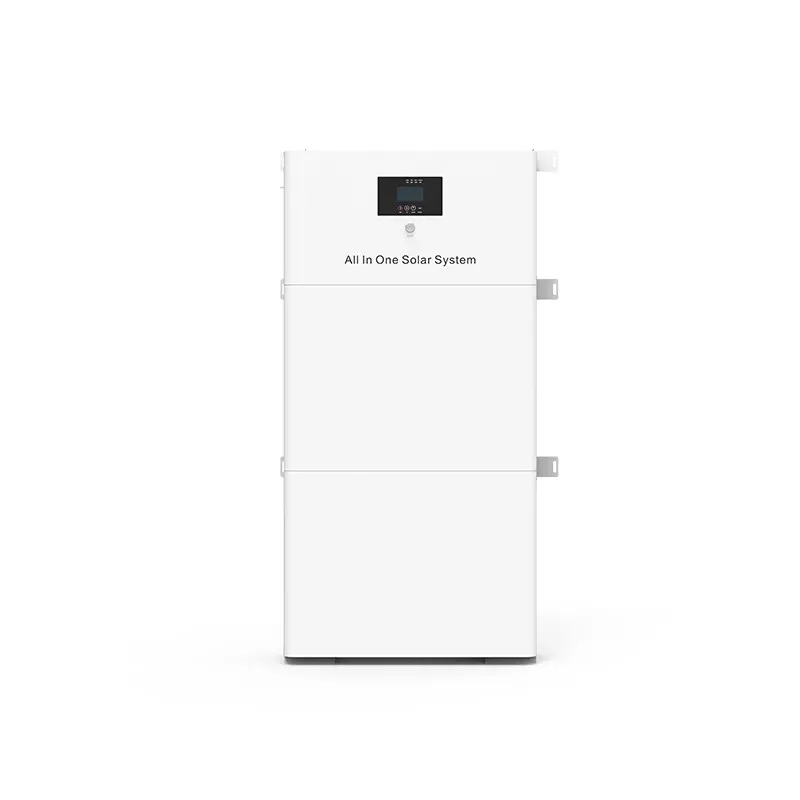
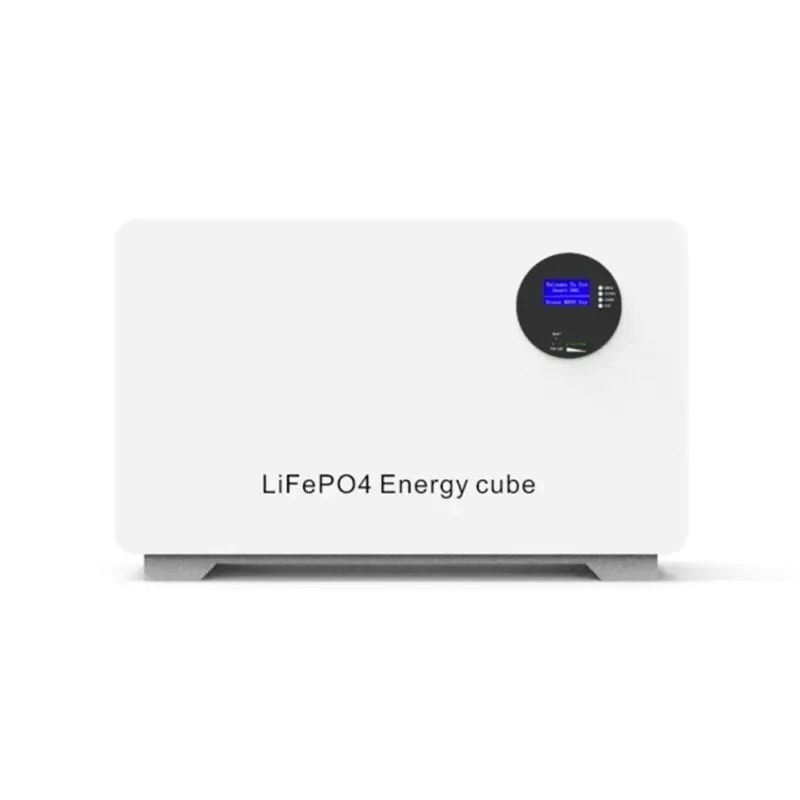
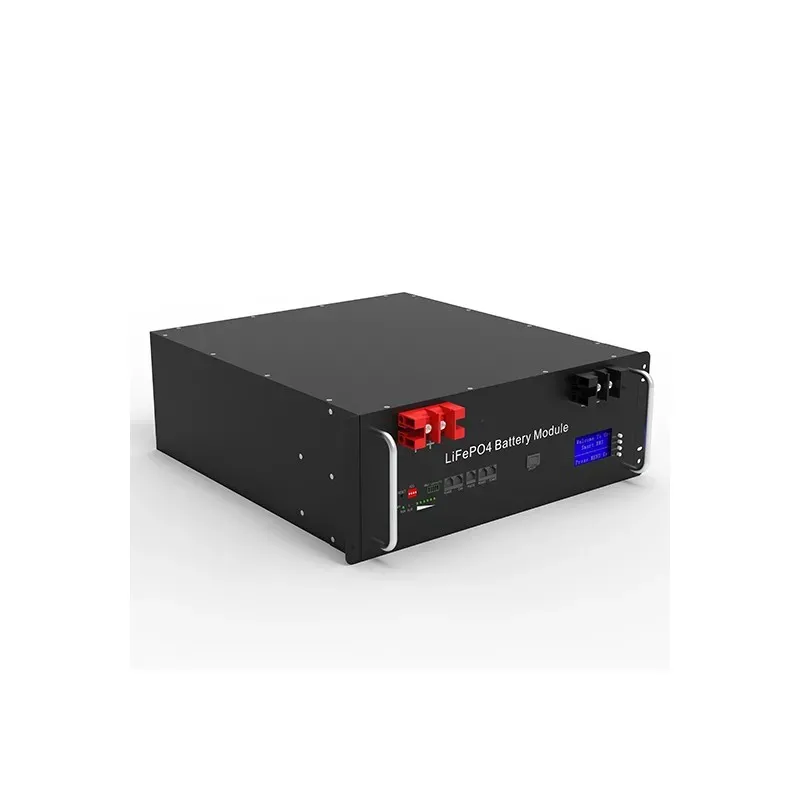
An Inverter All-in-One system combines several components like the inverter, battery, and charge controller into a single unit for simple installation and management. This integration can save space and reduce installation time compared to traditional setups.
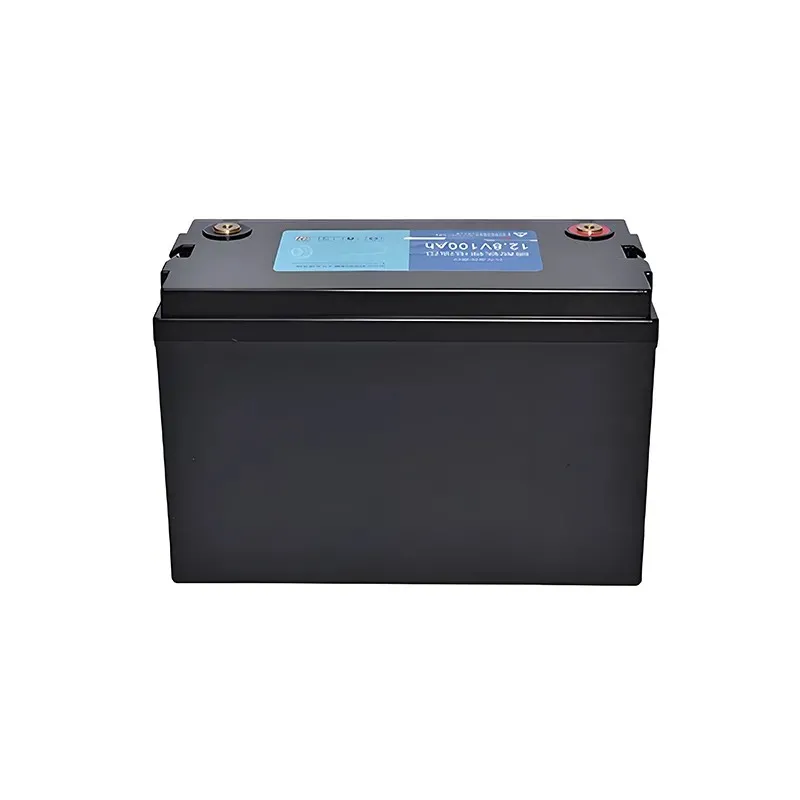
Traditional inverters consist of separate components: an inverter, charge controller, and battery bank, which provides flexibility in individual component upgrades and replacements, but requires more installation effort and space.
| Feature | Inverter All-in-One | Traditional Inverters |
|---|---|---|
| Installation | Easy and quick | Requires multiple steps |
| Space Requirement | Compact | More space needed |
| Customization | Limited | High flexibility |
| Maintenance | Simple | Can be complex |
Many users report that Inverter All-in-One systems provide satisfactory battery life, with an average lifespan of 5-10 years. However, traditional inverter systems often feature higher-capacity batteries, leading to better reliability under heavy loads. Actual stability in varied conditions often points to preferences based on specific energy demands.
Inverter All-in-One systems excel in user-friendliness and compactness but may fall short in terms of customization options. Traditional inverters shine in scalability and efficiency but require more effort in installation and management.
Ideal for homeowners looking for simplicity and ease of use, especially those new to solar energy systems, or in situations where space is limited.
Best suited for experienced users who require specific configurations, higher energy outputs, or would like to scale their systems over time.
As you consider the various options, ZEMBATT is committed to providing high-quality inverter solutions, whether you choose an Inverter All-in-One or a traditional inverter system to make the best decision for your specific needs.
 ZEMBATT Inverter Solutions">
Latest News

Hot Products
More Products