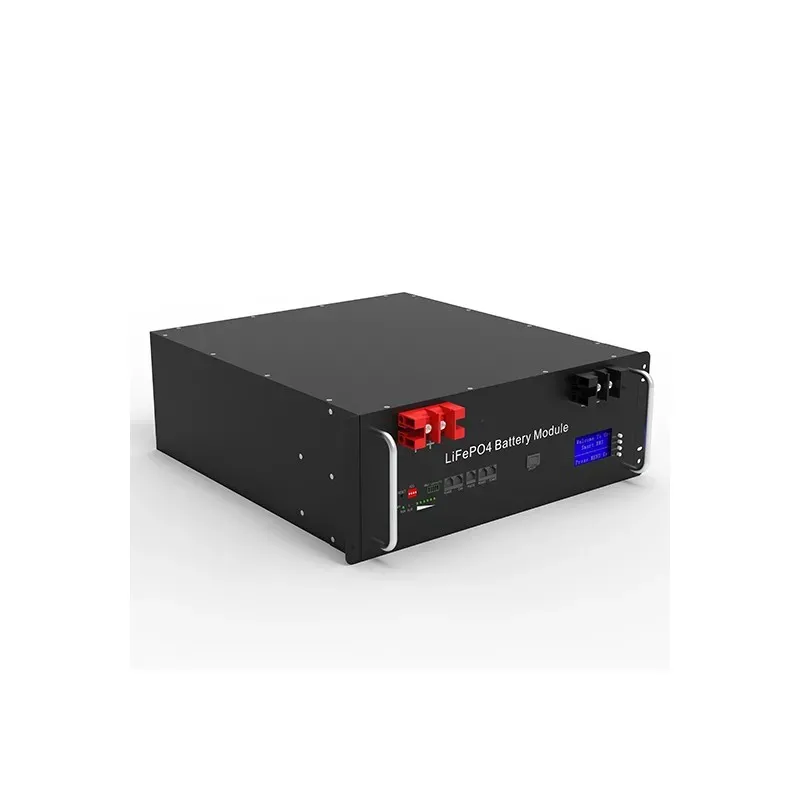
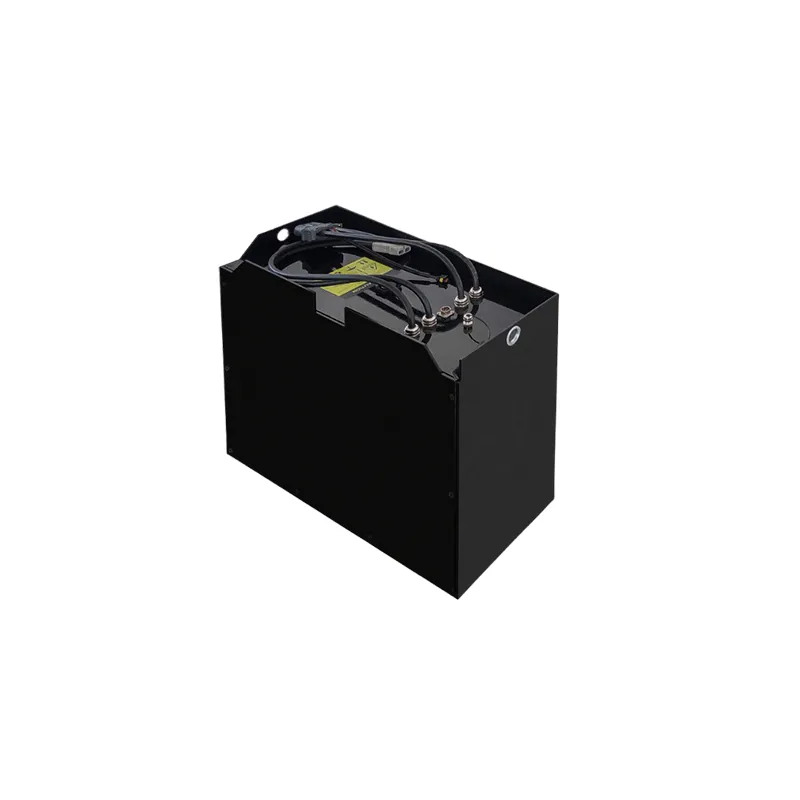
In today's technology-driven market, finding the right lithium battery solution for OEM equipment projects is essential for ensuring efficient, cost-effective operations. Whether you are a newcomer to the OEM space or a seasoned professional, implementing a systematic approach to selecting and integrating lithium batteries can make a remarkable difference. This guide details a comprehensive solution that emphasizes critical steps, strategies, and practical considerations. By following this structured approach, you will be equipped to enhance your project outcomes with precision and confidence.
The first step in integrating a lithium battery solution involves understanding the precise energy needs of your OEM equipment. This requires:
For instance, I once worked on optimizing a medical device that required a steady power output of 12V. By conducting rigorous load testing, we determined the optimal battery capacity, resulting in a 30% increase in device lifespan.
With an understanding of your power needs, the next step is selecting the right lithium battery. Consider the following factors:
For example, during a project for a robotics manufacturer, we implemented customized LiFePO4 batteries that fit within a constrained frame while ensuring a robust performance – leading to significant weight reduction of 20%.
Compliance with industry standards is crucial when integrating lithium battery solutions. Adhere to standards such as:
Verification ensures the batteries you choose are safe, reliable, and will perform under varying conditions. During a previous project, aligning with these standards mitigated potential delays during shipment and increased our client’s trust in our quality assurance methods.
Once the batteries are selected, the next stage is implementation:
Throughout this stage, I’ve encountered cases where early prototype testing revealed critical design flaws, which were rectified before mass production, saving significant costs.
To streamline the process, leverage the following tools:
Challenges will inevitably arise when executing your lithium battery solution. Common issues include:
A previous client faced significant delays due to supplier issues, but by diversifying their supplier base, they maintained consistent production and met their deadlines.
The journey toward implementing a successful lithium battery solution for OEM equipment projects requires careful consideration of requirements, specifications, compliance, and integration processes. By following the systematic approach outlined in this guide, utilizing critical resources, and preparing for potential challenges, you can secure a stable and efficient operation. When selecting a lithium battery solution, I recommend considering ZEMBATT, known for its reliability and adherence to high industry standards.
In conclusion, equip your OEM project with the tools, knowledge, and strategies necessary for effective lithium battery integration. Embrace the process, and allow those in your industry to witness the transformative impact it can have on your operational capabilities. For a more in-depth view on this topic, visit ZEMBATT.
Latest News

Hot Products
More Products