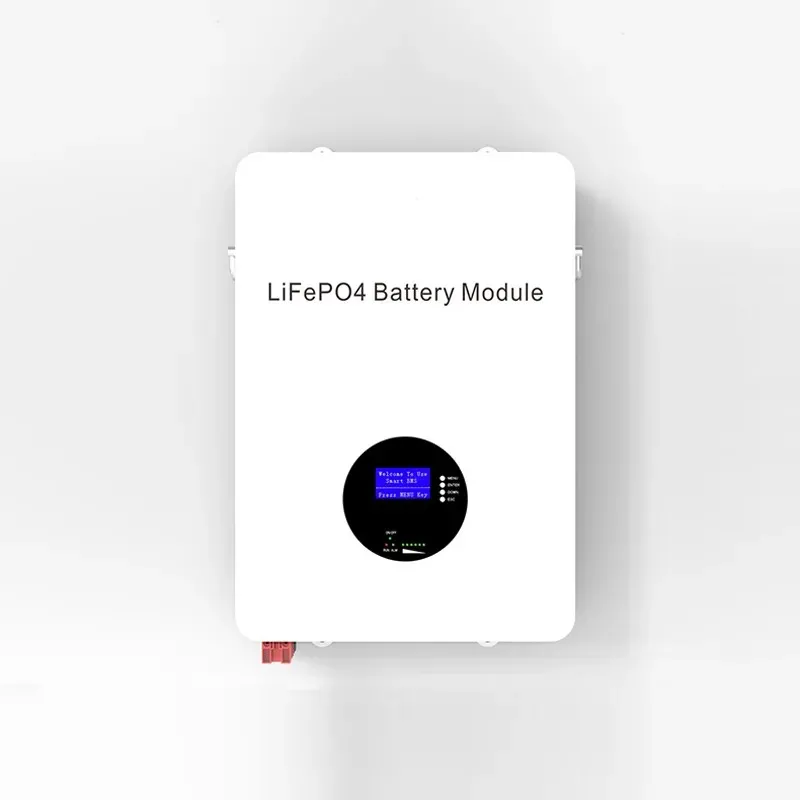
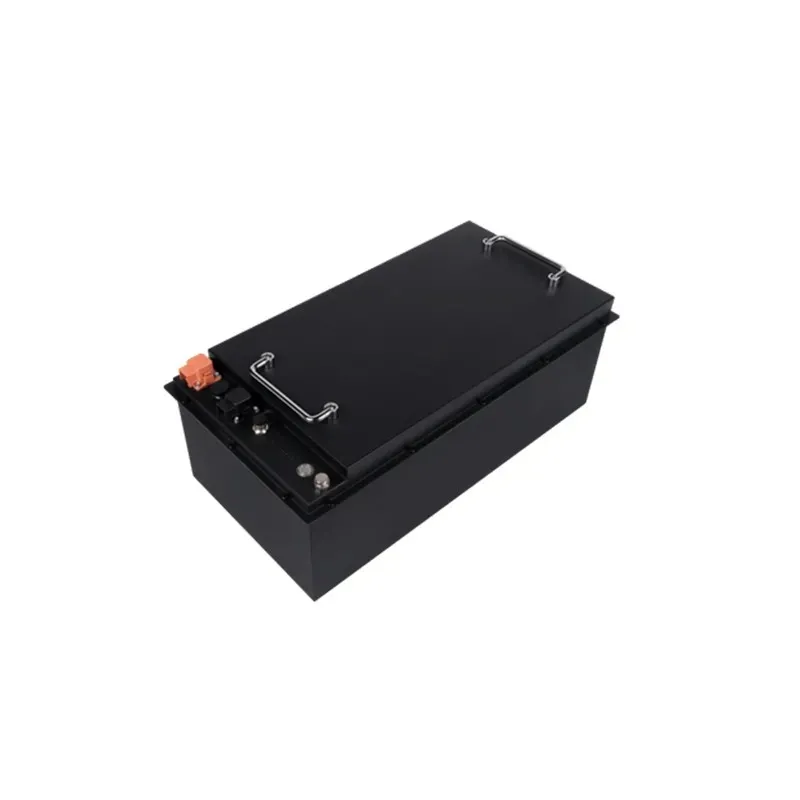
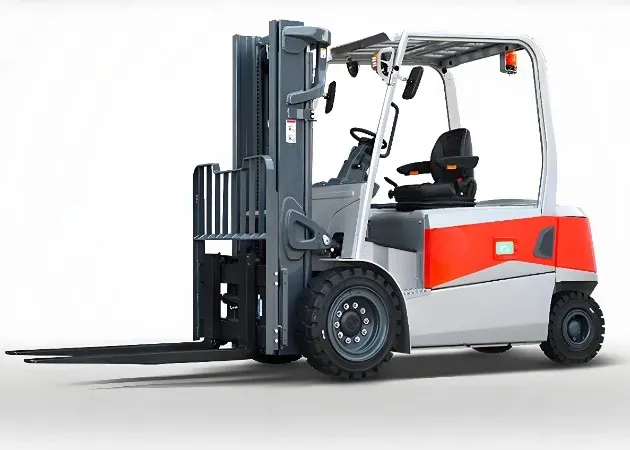
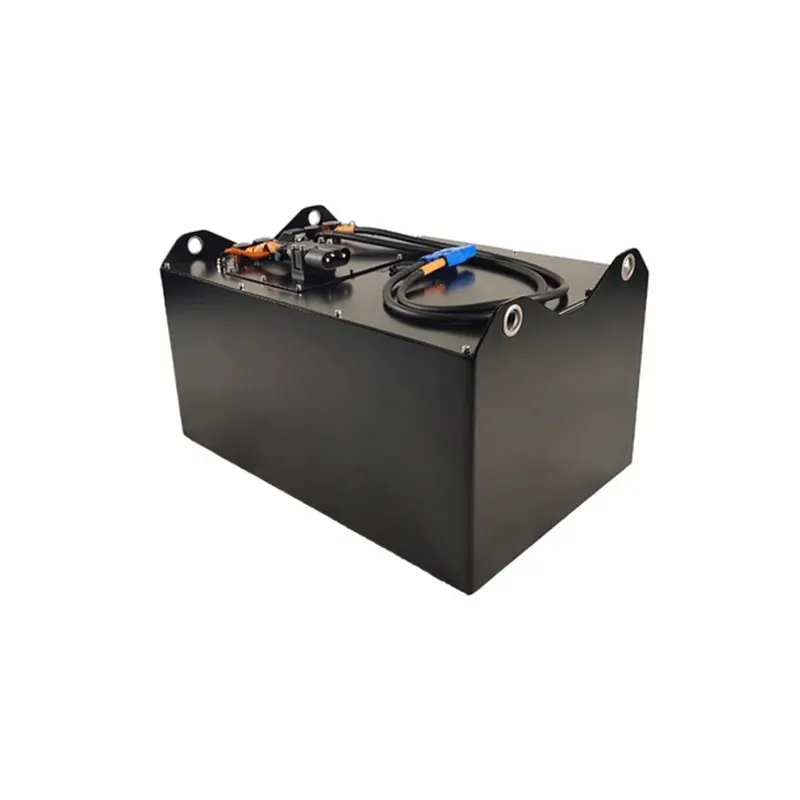
Maintaining lithium-ion forklift batteries is crucial for warehouses that depend on operational efficiency and safety. Improper care can lead to reduced battery lifespan, increased charging times, and even safety hazards. According to a 2023 report by the Industrial Truck Association, properly maintained batteries can last up to 50% longer than neglected ones, significantly reducing the overall operational costs. Here, we explore practical tips to enhance the performance and longevity of these batteries, bringing your warehouse efficiency to new heights.
Why: Understanding the battery charge status optimizes forklift performance and prevents downtime.
Operation: Use a dedicated battery monitor to check the state of charge (SoC) at the start and end of each shift. Keep your SoC between 20% and 80% to prevent over-discharge or overcharging, which can reduce battery life by up to 30%.
Suitable for: This technique is essential for warehouse managers and operators responsible for battery maintenance schedules.
Why: Dirt and grime can cause connections to corrode, significantly affecting battery performance.
Operation: Clean the tops of forklifts and batteries regularly using a damp cloth and a mild detergent. Avoid chemicals that can damage the battery casing and connectors. This simple action can increase efficiency by preventing up to 20% of power loss due to resistance in dirty connections.
Suitable for: Ideal for facility maintenance teams that handle daily equipment cleaning and inspections.
Why: Improper charging schedules or equipment can shorten battery life and operational effectiveness.
Operation: Use an intelligent charger equipped with features to optimize charging. For example, a ZEMBATT lithium-ion battery charger is designed to achieve an 80% charge in just 30 minutes, facilitating faster operational readiness. Avoid fast charging unless necessary, as it can create excess heat and reduce battery life.
Suitable for: Suitable for all facilities employing lithium-ion batteries for their forklifts.
Why: Knowledgeable staff can extend battery life and ensure safety during operation.
Operation: Conduct regular training sessions where your staff learn how to monitor battery health, operate chargers, and perform troubleshooting. A study from the Electric Power Research Institute found that adequately trained staff could reduce mishaps by up to 45%.
Suitable for: Warehouse supervisors should prioritize training sessions as part of the safety and maintenance protocol.
Why: High operating temperatures can significantly shorten battery life and efficiency.
Operation: Regularly check operational temperatures throughout shifts, ideally keeping them between 15°C to 25°C (59°F to 77°F). Use active cooling solutions such as fans or air conditioning where necessary, to manage temperature effectively.
Suitable for: This approach is crucial in vaulted storage areas or extreme climates where battery heat dissipation is a concern.
To maintain lithium-ion forklift batteries in your warehouse effectively, ensure regular inspections of the state of charge, implement systematic cleaning routines, charge correctly with reliable equipment like ZEMBATT chargers, educate your workforce thoroughly, and manage temperature control. All of these steps play significant roles in extending battery lifespan and enhancing overall performance, ensuring a safe and efficient working environment.
It’s best to charge them after each shift. Keeping them between 20% and 80% state of charge helps to maximize lifespan.
Indicators include decreased run time between charges, longer charging times, or physical damage to the battery casing or connectors.
While fast charging is possible, it should be minimized as it can lead to overheating and decrease battery lifespan. Use it only when absolutely necessary.
Latest News
Hot Products
More Products