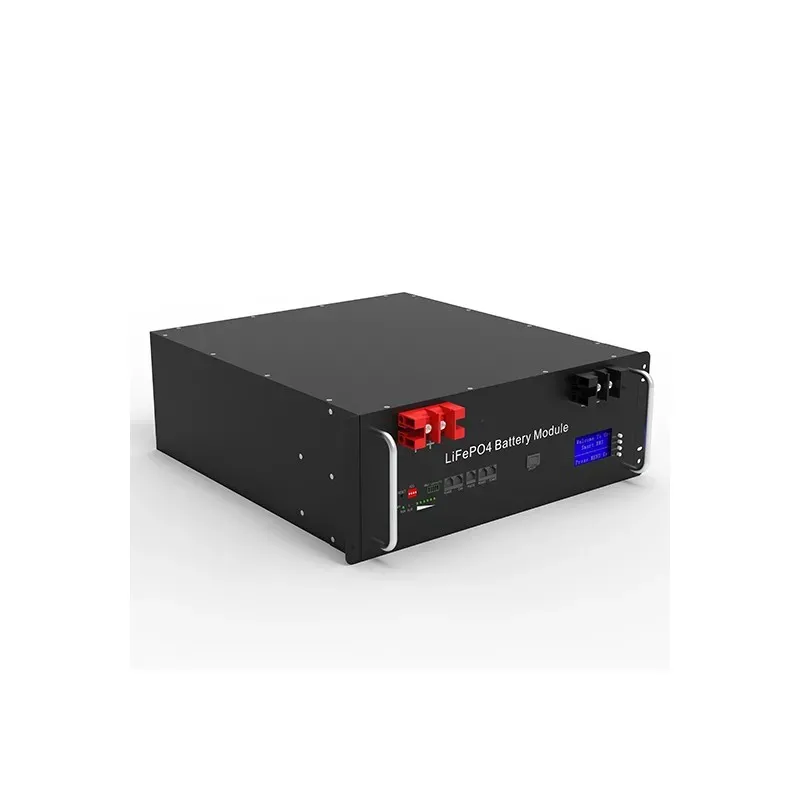
In recent years, lithium-ion forklift batteries have become a popular choice for many warehouses and industrial applications due to their superior performance, longevity, and reduced maintenance requirements. This comprehensive guide will explore the various voltages available in lithium-ion forklift batteries, ranging from 24V to 120V, and highlight the benefits of using these advanced power sources over traditional lead-acid batteries. Knowing the voltage options can help you select the right battery for your material handling needs.
Understanding Lithium-Ion Forklift Battery Voltage
Lithium-ion forklift batteries are available in multiple voltage configurations, specifically 24V, 36V, 48V, 72V, 80V, and up to 120V. Here’s how each voltage tier can impact performance:
24V Batteries: Entry-Level Power
- Applications: Ideal for light-duty tasks and smaller electric forklifts.
- Advantages: Cost-effective and easier to install.
- Typical Load Capacity: Suitable for applications requiring moderate lifting capabilities.
36V Batteries: Balanced Choice
- Applications: Commonly used in medium-sized electric forklifts.
- Advantages: Enhanced power output without significant weight increases.
- Typical Load Capacity: Suitable for warehouses with average operational demands.
48V Batteries: Workhorse Capacity
- Applications: Widely used in standard industrial forklifts.
- Advantages: Offers a strong balance between performance and efficiency.
- Typical Load Capacity: Suitable for heavy-duty applications with higher lifting requirements.
72V Batteries: High-Power Performance
- Applications: Used in heavy lifting and high-intensity operation environments.
- Advantages: Provides high acceleration and lifting performance.
- Typical Load Capacity: Supports larger loads and complex warehouse tasks.
80V and 120V Batteries: The Pinnacle of Power
- Applications: Ideal for high-capacity warehouses and specialized equipment.
- Advantages: Deliver optimal power for maximum efficiency and speed.
- Typical Load Capacity: Designed for extreme heavy-duty applications.
Selecting the Right Voltage for Your Needs
Choosing the appropriate lithium-ion forklift battery voltage depends on several factors, including:
- Operational Load: Assess the maximum load your forklifts will typically carry.
- Frequency of Use: Determine the daily operational hours and battery cycle frequency.
- Space Constraints: Ensure that the chosen battery fits within your forklift's specifications.
- Charging Infrastructure: Evaluate current charging capabilities to avoid inconveniences.
Benefits of Lithium-Ion Forklift Batteries Over Lead-Acid
- Longer Lifespan: Lithium-ion batteries can last up to 5 times longer than traditional lead-acid batteries.
- Reduced Maintenance: Fewer maintenance requirements due to no acid checks or water refills.
- Faster Charging: Lithium-ion batteries charge quicker, minimizing downtime.
- Consistent Performance: More stable performance, even at lower charge levels.
Real-World Applications and Case Studies
Numerous industries leverage lithium-ion forklift batteries for their efficiency. For instance, warehouses and distribution centers have reported enhanced productivity and reduced operational costs after switching from lead-acid to lithium-ion batteries. For example, a case study from the Industrial Truck Association illustrates how a company improved its fleet utilization by implementing a lithium-ion system. View a detailed infographic about lithium-ion benefits here.
Key Considerations Before Making a Purchase
Before investing in lithium-ion forklift batteries, consider the following:
- Budget: Analyze the initial investment versus long-term savings. Lithium-ion batteries have a higher upfront cost but lower lifetime operational cost.
- Vendor Reputation: Choose reputable manufacturers and distributors with positive reviews.
- Warranty and Service Agreements: Ensure adequate support and warranties to safeguard your investment.
Conclusion: Making the Right Choice
In conclusion, understanding the various voltage options of lithium-ion forklift batteries—ranging from 24V to 120V—allows companies to make informed decisions that enhance efficiency and productivity. Selecting the right battery according to your specific needs, while weighing the benefits against traditional batteries, will contribute to a sustainable and cost-effective operation.
Additional Considerations for Future Trends
Stay ahead of industry advancements by keeping an eye on ongoing developments in battery technology and management systems. Innovations such as battery swapping and real-time monitoring will further augment the efficiency and lifecycle of lithium-ion batteries in material handling and logistics.