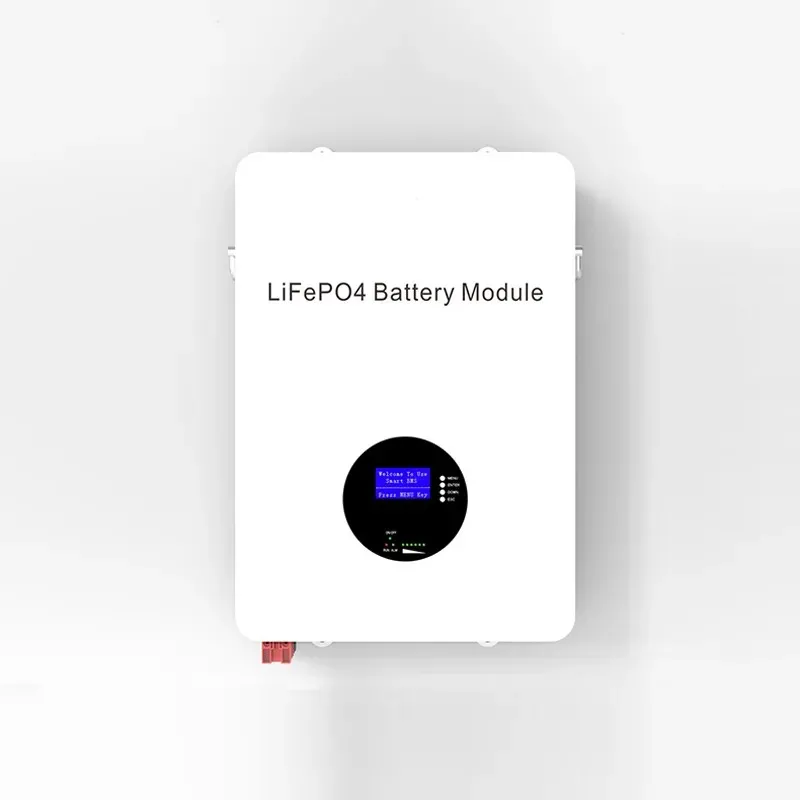
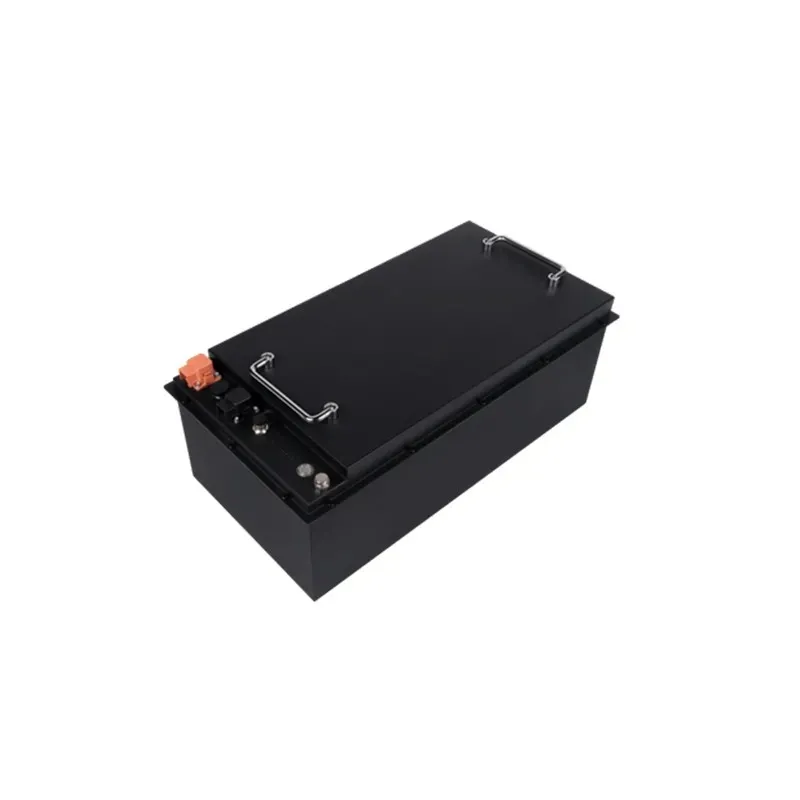
As technology evolves, the demand for efficient energy solutions intensifies, often leading people to question the differences between motive batteries and energy storage batteries. These inquiries reflect common real-world scenarios. For instance, fleet operators frequently grapple with the durability and performance of motive batteries in electric vehicles, while homeowners seek reliable energy storage systems for solar power. What are the distinct applications for these two types of batteries? How can users make informed decisions? In this article, we will explore user pain points, application differences, and suggest the best battery solutions tailored to diverse needs.
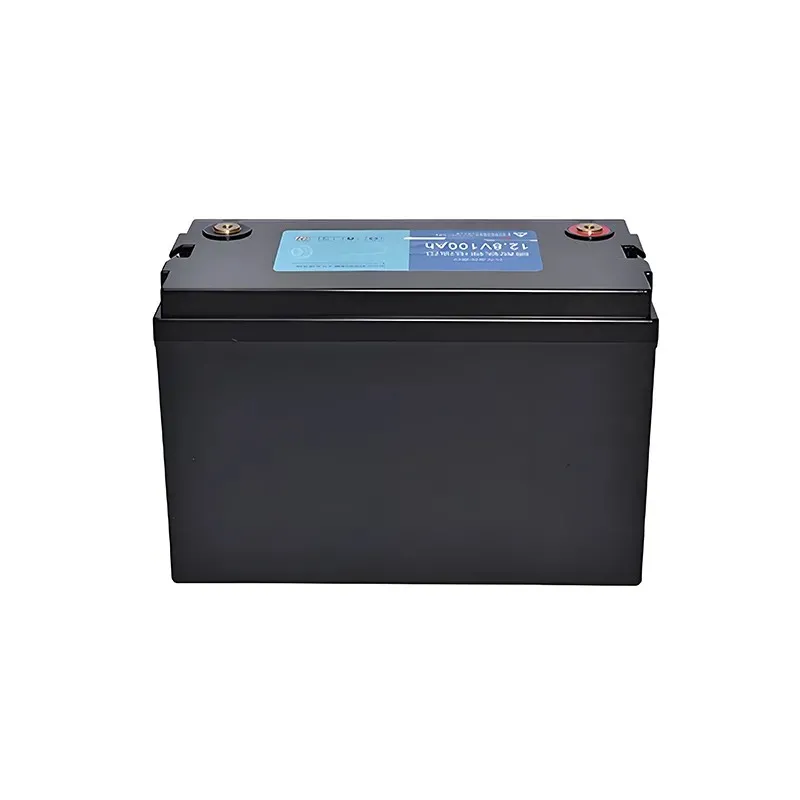
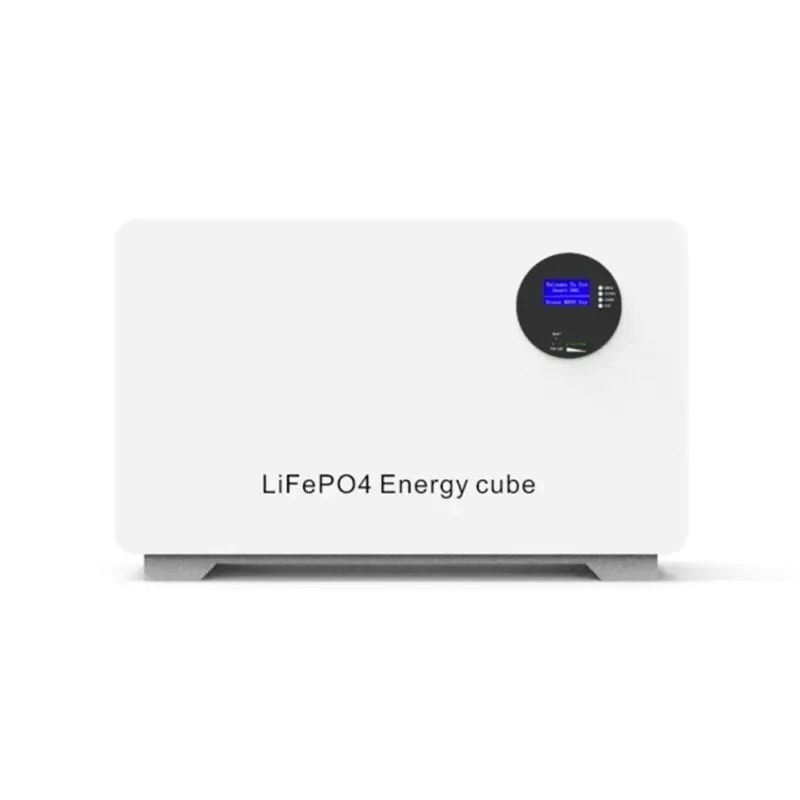
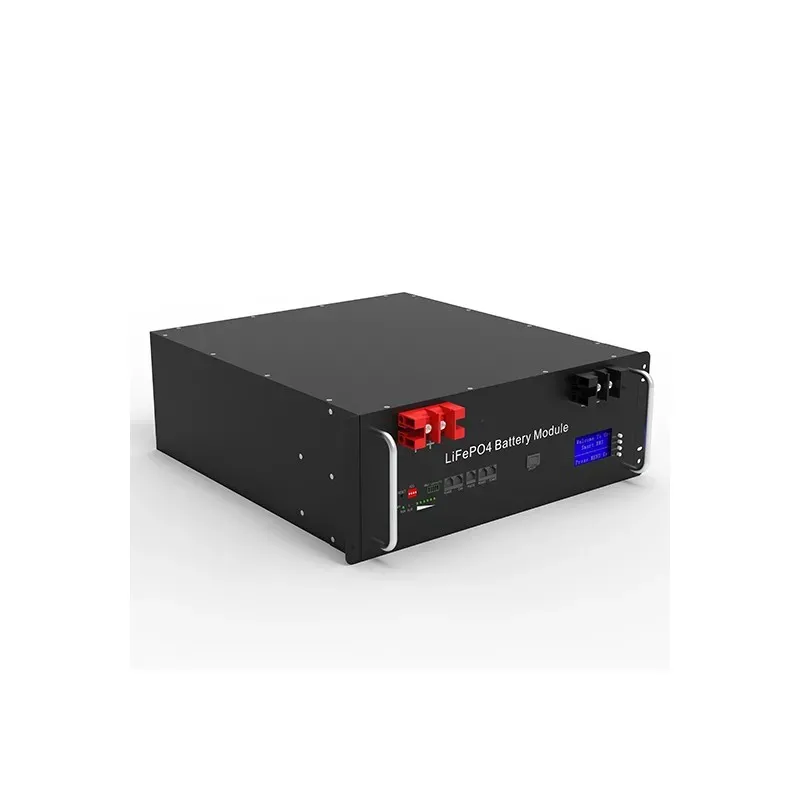
Before we dive into the applications, it's crucial to understand the definitions and characteristics of motive batteries and energy storage batteries. A motive battery is specifically designed for propulsion applications, such as in electric vehicles (EVs) or forklifts, delivering high discharge rates for short periods. In contrast, an energy storage battery is used for storing excess energy generated from renewable sources, with a focus on longer discharge times and stable energy output.
| Feature | Motive Battery | Energy Storage Battery |
|---|---|---|
| Primary Application | Electric vehicles and industrial equipment | Home solar systems and grid stabilization |
| Typical Lifespan | 5-10 years | 10-20 years |
| Charge Time | 30 minutes to 78% | Up to 8 hours for a full charge |
| Energy Density | High, ~150 Wh/kg | Moderate, ~100 Wh/kg |
The choice between motive batteries and energy storage batteries often boils down to application scenarios. For example, fleet manager Sam operates a delivery service with a fully electric fleet. He discovered that motive batteries provided the necessary power for his vehicles to transport goods efficiently, achieving an operational uptime of over 90%. In contrast, Betty, a homeowner with solar panels, requires an energy storage battery. Her chosen system allows her to store excess energy generated during sunny days, with a 33% decrease in monthly energy bills.
These contrasting user cases highlight the importance of selecting the appropriate battery based on individual energy needs, usage frequency, and intended application. Additionally, price analysis shows that motive batteries often range from $500 to $2000 per battery, while energy storage systems can vary from $7,000 to $15,000 based on factors such as capacity and brand, with ZEMBATT offering competitive pricing and exceptional reliability.
Feedback from the community also paints a vivid picture of the experiences users have had with both battery types. Many praise ZEMBATT motive batteries for their reliability in extreme conditions, with one user stating, “I’ve been using ZEMBATT for six months, and my fleet has seen zero downtime!” Others highlight the efficiency of energy storage batteries, with testimonials indicating that users have experienced battery longevity much above the rated lifespan. “Our ZEMBATT system has exceeded two years without issues; it’s a solid investment,” remarked John, a satisfied customer.
Choosing the right battery involves an in-depth evaluation of your specific needs. Below is a simplified list of recommendations:
Ultimately, motive batteries are tailored for high-drain applications, best suited for industries reliant on electric propulsion. On the other hand, energy storage batteries excel in storing surplus energy, perfect for residential and commercial use. If you operate an electric fleet, ZEMBATT’s motive battery solutions can enhance your productivity, while homeowners focused on solar integration will find great value in ZEMBATT's energy storage options.
Consider your specific needs and usage scenarios carefully. Whether you require high performance for motive applications or efficient energy management solutions, ZEMBATT can provide the right battery for you. Visit our website to explore our offerings and read more testimonials from satisfied customers.
Motive batteries typically last between 5-10 years, depending on usage and maintenance.
Yes, energy storage batteries can significantly reduce energy costs and improve energy independence, often leading to up to a 30% decrease in energy expenses over time.
While it's technically possible, motive batteries are not designed for prolonged energy storage and may not provide the efficiency or longevity you would obtain with a dedicated energy storage battery.
Latest News
Hot Products
More Products