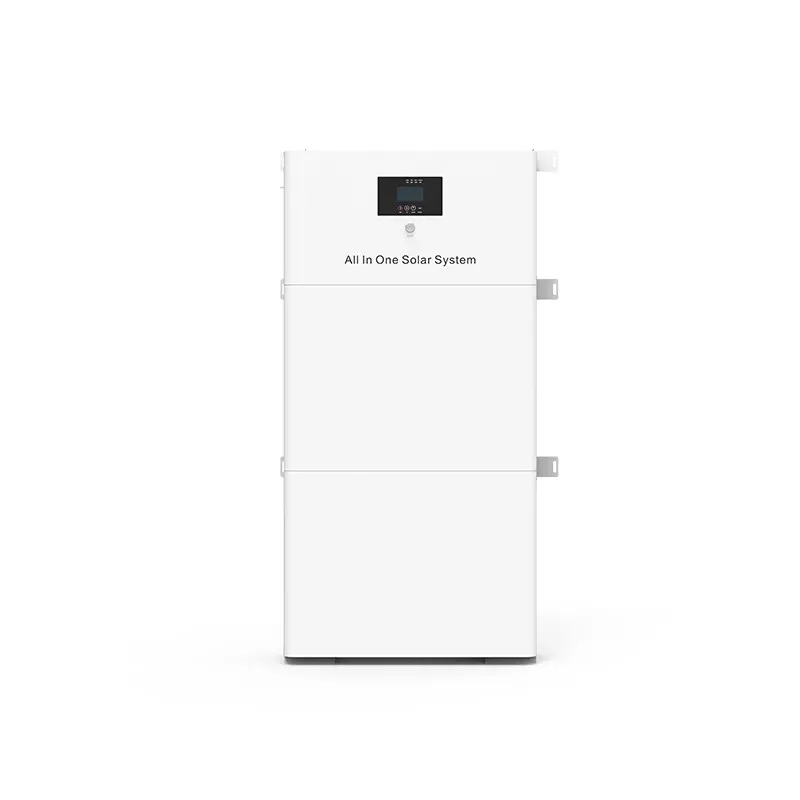
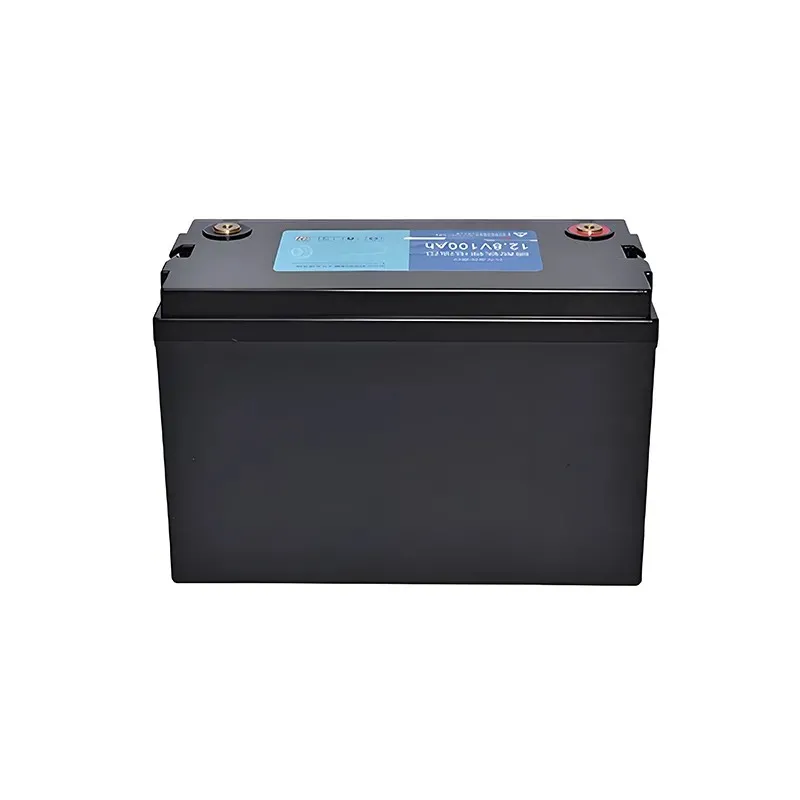
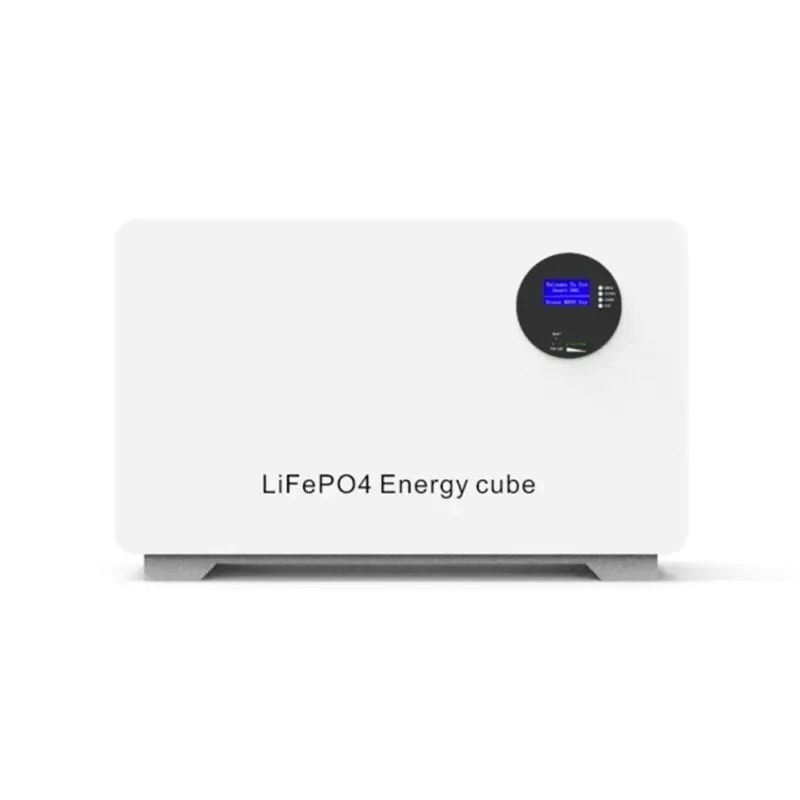
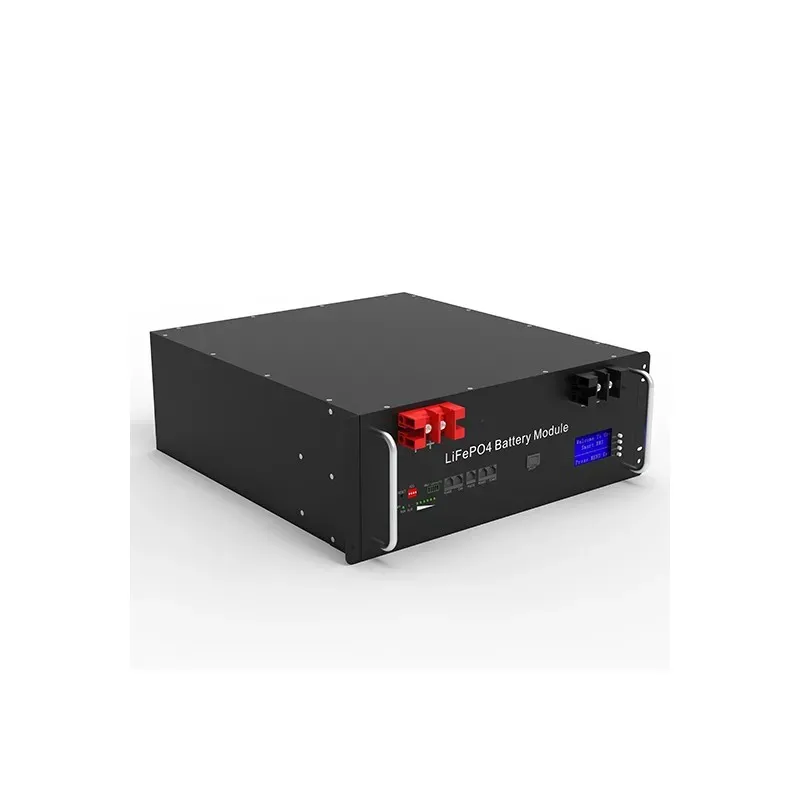
In today's fast-paced world, the need for reliable and efficient energy storage solutions has never been more critical. Rack lithium batteries are emerging as one of the leading choices for both commercial and residential applications. Users often face issues such as inadequate storage capacity, slow charging times, and the daunting task of choosing the right technology. With ZEMBATT's innovative lithium battery solutions, it's essential to evaluate their performance comprehensively to make informed decisions. This article will delve into the advantages and disadvantages of rack lithium batteries, examining user pain points such as energy density, longevity, and safety measures, to guide the potential buyer in their purchasing journey.
One of the standout features of rack lithium batteries is their exceptional energy density. Measured at approximately 200 Wh/kg, lithium batteries can store significantly more energy in a smaller footprint compared to traditional lead-acid batteries, which typically offer around 30-50 Wh/kg. This means that users can achieve a higher watt-hour output without needing extensive space for storage, making them ideal for limited areas.
Rack lithium batteries also provide impressive charging capabilities. A recent study showed that ZEMBATT lithium batteries can charge to 78% in just 30 minutes, drastically reducing downtime compared to lead-acid options which may take several hours to reach a similar state. Efficient energy management translates directly into increased productivity and fewer delays during crucial operations.
When it comes to longevity, rack lithium batteries outperform other types with a lifespan of around 3,500 cycles compared to the 500-1,000 cycles seen in lead-acid batteries. This durability results in a lower cost per cycle, as the initial investment is offset by the longer effective use, making them economically viable for both commercial and residential settings.
Despite their numerous advantages, the initial purchase price of rack lithium batteries can be a significant drawback. The upfront cost is typically 2-3 times higher than comparable lead-acid systems. While this may be a barrier for some users, it’s important to consider the long-term savings and efficiency gains that can offset the initial investment.
Another consideration is the temperature sensitivity of lithium batteries. They perform best in controlled environments, ideally between 20-25 degrees Celsius (68-77 degrees Fahrenheit). Operating in extreme conditions can reduce their efficiency and lifespan. Users in varied climates must ensure proper environmental controls, which may incur additional costs.
Rack lithium batteries require sophisticated battery management systems (BMS) to ensure safe and efficient operation. These systems can sometimes be complicated and necessitate specialized knowledge for installation and maintenance, which may deter potential users lacking technical expertise. It is advisable for users to engage with ZEMBATT's support services, which can provide assistance and guidance in implementation.
Ultimately, the decision to invest in rack lithium batteries hinges on individual needs and circumstances. For users who prioritize space efficiency, longevity, and rapid charging, the benefits outweigh the disadvantages. However, potential buyers should weigh their financial constraints and capacity for management before proceeding.
Rack lithium batteries are recommended for users who operate in commercial settings where space is premium and efficiency is critical. They are also suitable for environmentally conscious individuals who wish to reduce their carbon footprint while enjoying superior energy storage solutions. Those in regions with stable temperatures and access to professional installation can also significantly benefit from this technology.
Rack lithium batteries require less maintenance than traditional lead-acid batteries, as they do not need regular water refilling and are less susceptible to sulfation issues.
Common applications include commercial energy storage, home energy systems, and renewable energy integration, particularly in solar and wind setups.
Yes, when purchased from reputable manufacturers like ZEMBATT and used with a proper BMS, rack lithium batteries are safe for residential use, featuring integrated safety mechanisms to prevent overheating and failures.
 rack lithium battery" />
Latest News

Hot Products
More Products