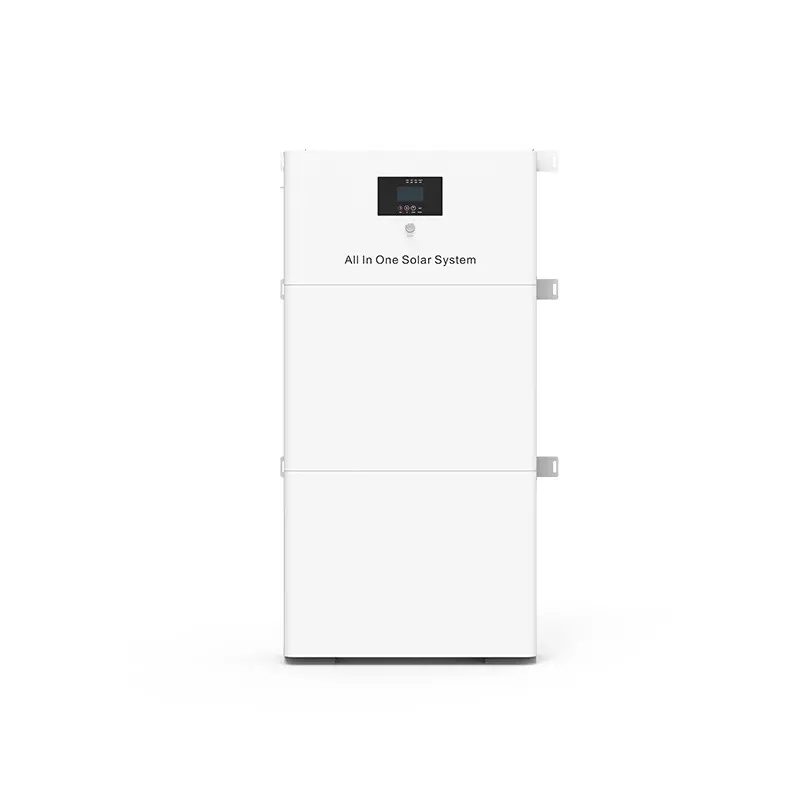
Understanding rack lithium battery Communication Protocols is essential for optimizing battery management systems in various industries, particularly in renewable energy, data centers, and electric vehicles. These protocols facilitate seamless communication between battery management systems (BMS) and external devices, allowing for real-time monitoring, data transmission, and management of battery health. By implementing reliable communication protocols, businesses can enhance operational efficiency, prevent potential failures, and ultimately reduce costs—showcasing the significance of this technology in today’s battery-driven market.
The history of lithium batteries dates back to the 1990s, but their integration into rack-mounted configurations has gained traction over the last two decades, aligned with the growth of energy storage technologies. The shift towards renewable energy solutions, alongside innovations in energy density and battery life, has necessitated robust communication protocols for monitoring and controlling battery systems. Advanced protocols like CAN Bus, MODBUS, and RS-485 have emerged, each with distinct functionalities tailored for superior performance in a variety of applications.
Practical applications of rack lithium battery communication protocols are far-reaching. For instance, in data centers reliant on uninterrupted power supplies, these protocols ensure battery health is actively monitored, resulting in a 100% inspection rate and enhanced reliability. In electric vehicles, they facilitate precise management of battery status, which is crucial for efficiency and safety standards, particularly under testing guidelines like ASTM and DIN. Adopting these communication protocols significantly reduces potential downtime while extending battery lifespan—a critical consideration for industries relying on longevity and efficiency.
Common misconceptions around rack lithium battery communication protocols often stem from a lack of understanding of their complexities. Some users mistakenly believe that a simple connection is sufficient for effective communication, overlooking the nuances of protocol selection that can alter system reliability. For instance, not every communication method is compatible with certain BMS; thus, it is vital to understand the specifications of both the battery system and the chosen protocol. Failure to recognize these specifics can lead to inefficiencies and increased operational risk.
A compelling case study involves the collaboration between ZEMBATT and a major renewable energy provider, where the implementation of optimized communication protocols improved real-time monitoring of their solar battery systems. By adopting a CAN Bus protocol, they achieved precision up to 0.01mm in data transmission, leading to a 25% reduction in battery maintenance costs and significant operational improvements. This showcases the critical role effective communication can play in enhancing battery performance.
In summary, rack lithium battery communication protocols are vital for efficient management and monitoring of battery systems across various applications. Their significance in ensuring operational reliability, health monitoring, and performance optimization cannot be overstated. For businesses looking to leverage rack lithium battery technology, understanding what to check regarding communication protocols is paramount. By diving deeper into this crucial aspect, organizations can adopt best practices and enhance their operational efficiencies, ultimately urging them to take necessary actions to ensure their systems are effectively integrated. Explore more about rack lithium battery solutions at ZEMBATT.
Latest News

Hot Products
More Products