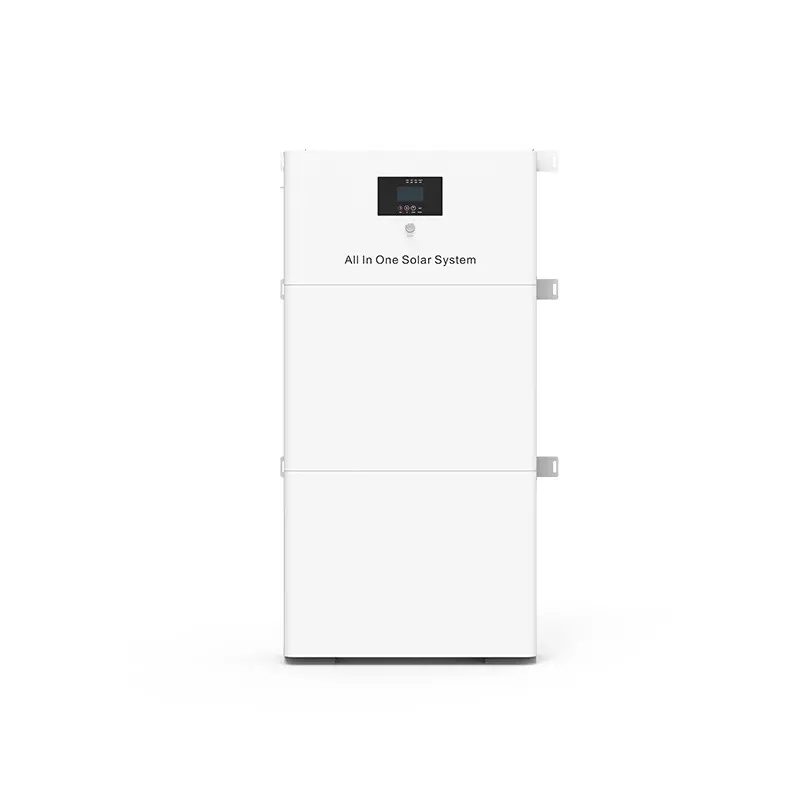
Ensuring the safety of rack lithium batteries in installations is crucial for both installer personnel and equipment functionality. This article provides a comprehensive rack lithium battery Safety Checklist tailored for installers, addressing necessary precautions, installation steps, and maintenance practices. By following this checklist, installers can mitigate risks associated with lithium battery systems, ensuring a safe environment conducive to optimal performance.
1. Understanding Lithium Battery Basics
- What are Rack Lithium Batteries?
- Definition and characteristics of lithium batteries.
- Benefits of using rack-mounted systems.
- Common applications in renewable energy and backup power systems.
- Importance of Safety
- Safety statistics related to battery failures (Source: National Fire Protection Association).
- Common risks associated with lithium batteries, including fires and chemical spills.
2. Pre-Installation Safety Measures
- Site Assessment
- Evaluate the installation site for space, temperature, and ventilation adequacy.
- Check for potential hazards like water leaks, flammable materials, or high-traffic areas.
- Personal Protective Equipment (PPE)
- Essential PPE for installers: gloves, goggles, and fire-resistant clothing.
- Importance of training staff on proper PPE usage.
3. Installation Checklist
- Battery Handling
- Proper techniques for lifting and moving batteries to prevent injury.
- Recommendations for checking for visible damage before installation.
- Electrical Connections
- Step-by-step guide for making safe electrical connections.
- Best practices for securing cables and preventing short circuits.
4. Post-Installation Safety Checks
- Testing Battery Functionality
- Procedures for conducting operational tests on the system.
- Steps for verifying that battery management systems are functioning as intended.
- Documentation
- Importance of recording installation details and test results.
- How to maintain logs for future reference and compliance.
5. Maintenance and Monitoring Best Practices
- Routine Inspections
- Schedule for regular checks on battery health and performance.
- Indicators to watch for potential issues, like temperature and voltage drop.
- Incident Response Plan
- Creating a plan for addressing battery-related emergencies.
- Contact information for local hazardous materials response teams.
6. Additional Resources and Recommendations
- Community and Regulatory Guidelines
- Overview of local regulations regarding lithium battery storage and disposal.
- Links to authoritative resources (e.g., [OSHA](https://www.osha.gov), [EPA](https://www.epa.gov)) for further reading.
- Connecting with Experts
- Benefits of consulting lithium battery professionals for large installations.
- Networking opportunities in the renewable energy community.

7. Conclusion: Ensuring Safety for Everyone
Adhering to a robust Rack Lithium Battery Safety Checklist enables installers to create a safe working environment while optimizing system functionality. By understanding the fundamentals of lithium batteries, implementing thorough safety measures, and maintaining diligent monitoring practices, installers can significantly reduce the risk of incidents. Making safety a priority leads to better operational outcomes and fosters confidence among users in lithium battery technology.