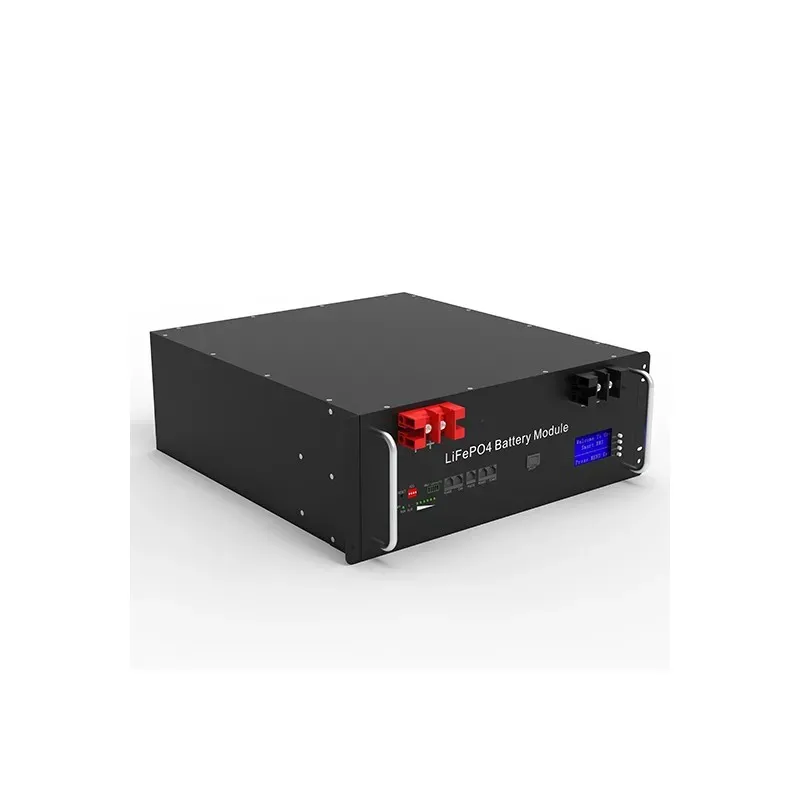
Many homeowners face the escalating challenge of optimizing their energy consumption, particularly with rising electricity costs and the need for sustainability. Maximizing residential energy storage battery efficiency can significantly lower utility bills and increase the overall return on investment. This article presents actionable strategies to enhance battery performance, reduce expenses, and promote a greener lifestyle. Discover how implementing these tips can lead to effective energy management in your home environment.
Why? The location of your energy storage battery affects its performance due to temperature variations. Batteries perform best in cooler environments.
Install your ZEMBATT energy storage system in a climate-controlled space, ensuring it remains within the manufacturer's recommended temperature range (typically between 20°C to 25°C). Avoid placing batteries in attics or garages that can reach extreme temperatures, which may decrease efficiency by up to 30%.
This technique is suitable for homeowners seeking to enhance battery longevity and operational efficiency, particularly in areas with temperature fluctuations.
Why? Regular maintenance helps ensure that your storage battery operates at optimal capacity and can prolong its lifespan.
Set a schedule for periodic checks (every 3-6 months) to inspect connections, clean terminals, and monitor battery health indicators. Cleaning the terminals can reduce resistance, improving efficiency by approximately 15%.
This method is ideal for proactive users who want to catch potential issues before they escalate and affect performance.
Why? Energy management systems provide data-driven insights that can significantly streamline energy usage.
Utilize advanced energy management software compatible with your battery system. These programs can help analyze your energy consumption patterns and suggest optimized usage plans that can save homeowners up to 20% on their monthly energy bills.
Why? Proper charging practices can enhance the efficiency and lifespan of your residential energy storage battery.
Charge your ZEMBATT battery during off-peak hours when electricity rates are lower and use timers or smart chargers to avoid overcharging, which can reduce battery life by 40% per year.
This approach is particularly advantageous for families who are away from home during peak hours, making it a practical choice for energy-conscious consumers.
Why? Responsible disposal or recycling of batteries promotes sustainability and can sometimes yield benefits.
Engage with local battery recycling programs to dispose of your batteries responsibly. Recycling can reclaim up to 95% of the materials, contributing to the circular economy and making your home more eco-friendly.
This tip is excellent for environmentally-conscious homeowners who want to ensure their used batteries are handled properly.
Why? Keeping track of your battery performance helps in making timely interventions to maintain efficiency.
Use smartphones or web applications provided by your energy storage manufacturer to monitor battery health and energy consumption in real time. Keeping track of decreases in performance can alert users to potential issues before they impact efficiency by more than 15%.
This method fits tech-savvy users interested in real-time energy monitoring and quick responses to storage issues.
Ensuring optimal efficiency from your residential energy storage battery involves strategic placement, scheduled maintenance, smart charging, and performance monitoring. These strategies can help considerably enhance battery performance, potentially yielding significant cost savings and environmental benefits.
Q1: How can I tell if my battery needs maintenance?
A1: Regularly check the battery's health indicators and inspect for signs of corrosion or wear on connections.
Q2: What is the optimal charging time for my battery?
A2: It’s best to charge during off-peak hours, typically at night, to take advantage of lower electricity rates.
Q3: Are all energy management systems compatible with ZEMBATT batteries?
A3: Most energy management software is compatible, but it’s best to consult your battery's manual for specific recommendations.
Latest News

Hot Products
More Products