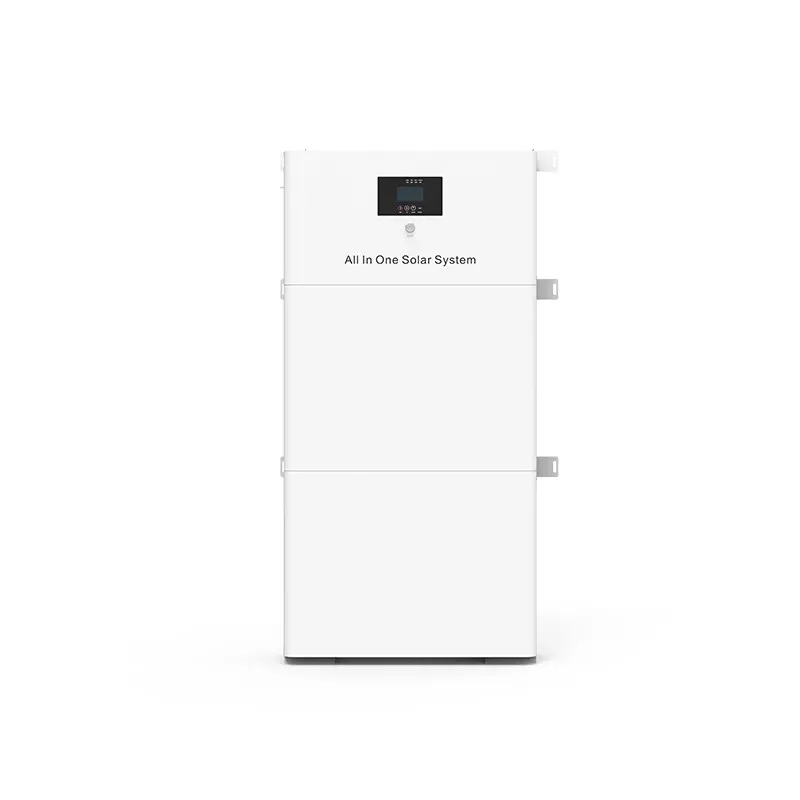
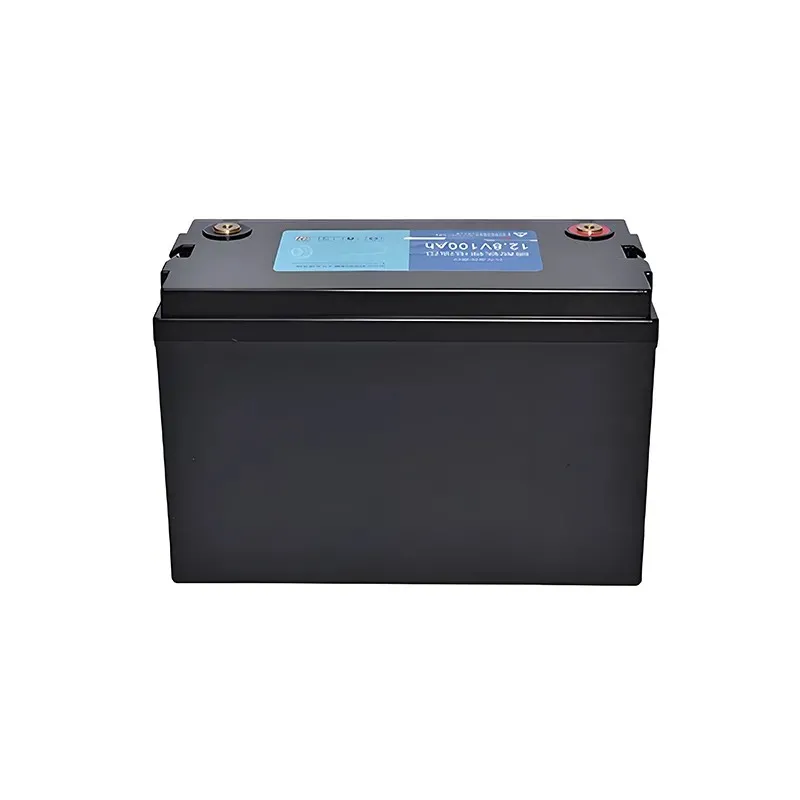
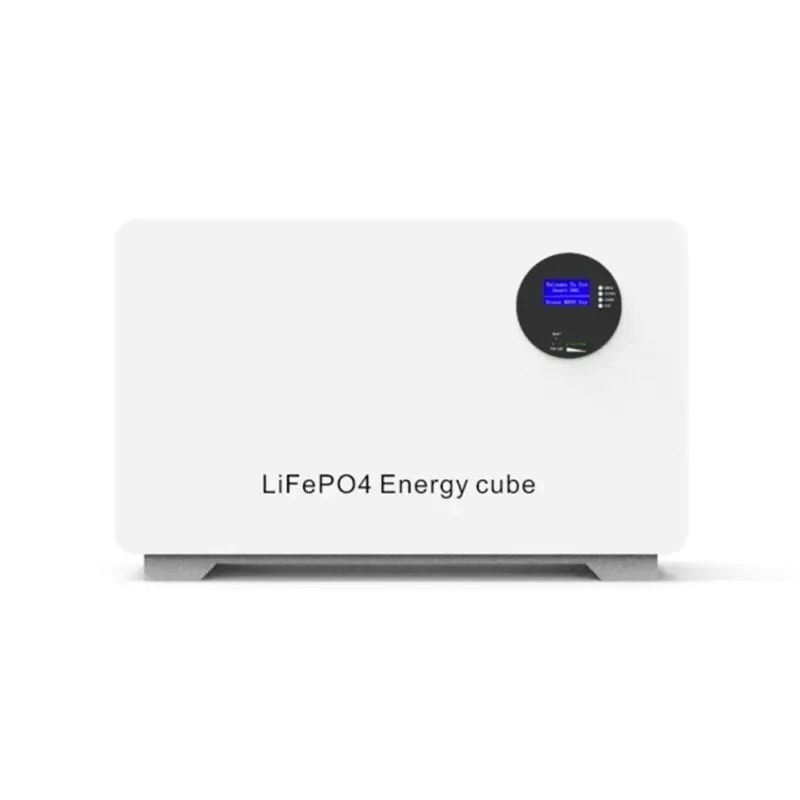
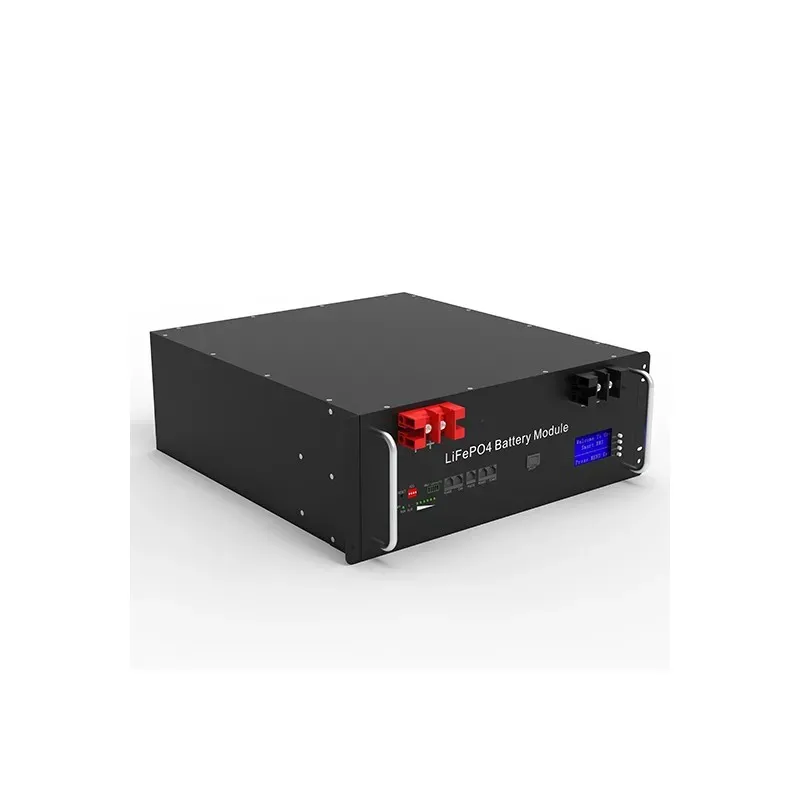
When embarking on the journey of implementing a Sitting-Stand Energy Storage Battery system, whether you are a novice or an experienced enthusiast, it’s crucial to approach the task methodically. I’ve crafted this comprehensive guide to tackle the space planning effectively for your ZEMBATT Sitting-Stand Energy Storage Battery. Here’s how you can set up and optimize your energy storage space, step by step, ensuring that efficiency is maximized from day one.
Before diving into spatial arrangements, begin by evaluating your energy requirements. Consider the following:
Having precise measurements, down to 0.01mm for spacing adjustments, can help ensure optimal energy distribution throughout your setup. Implement load calculations that comply with industry standards such as IEEE 1547 and IEC 62040 for acceptable performance parameters.
Next, identify areas within your facility suitable for housing the Sitting-Stand Energy Storage Battery system. A robust planning stage includes:
With energy needs assessed and space measured, the next phase is layout optimization. I recommend:
Case Study: One of our clients, a mid-sized manufacturing facility, improved their energy delivery by 30% simply by redesigning their battery arrangement based on these principles, overcoming their previous challenges with energy supply inconsistencies.
Once your layout is determined, the integration with existing energy systems is crucial. Consider these elements:
A 24-hour response system for troubleshooting is vital to ensure uninterrupted energy supply, enhancing overall reliability.
As you execute your layout and plans, you may encounter challenges, such as:
Resource Tip: Utilize engineering software like AutoCAD for precise planning. It helps visualize space and placements to navigate complex challenges during setup.
This comprehensive approach equips you with the essential steps to adeptly plan your Sitting-Stand Energy Storage Battery space using ZEMBATT systems. By meticulously assessing your energy needs, optimizing layouts, and preparing for integration and challenges, you position yourself for success. Remember, implementing these strategies with precision not only enhances energy efficiency but also promotes a sustainable approach to energy management.
As you embark on your journey, I encourage you to apply the insights shared in this guide. The enhanced energy efficiency and system reliability will ultimately contribute to significant operational improvements. For more resources, check out our ongoing updates on ZEMBATTERIES and the latest developments on our website at ZEMBATT.
For further visual guidance, you can explore the layout options at our image repository  . Let's power the future efficiently together!
Latest News

Hot Products
More Products