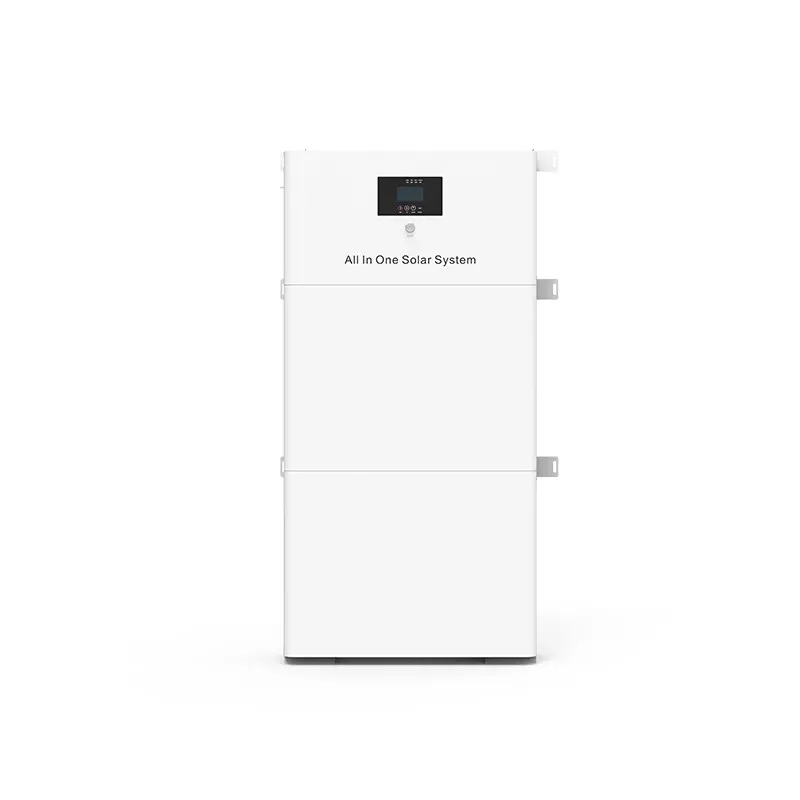
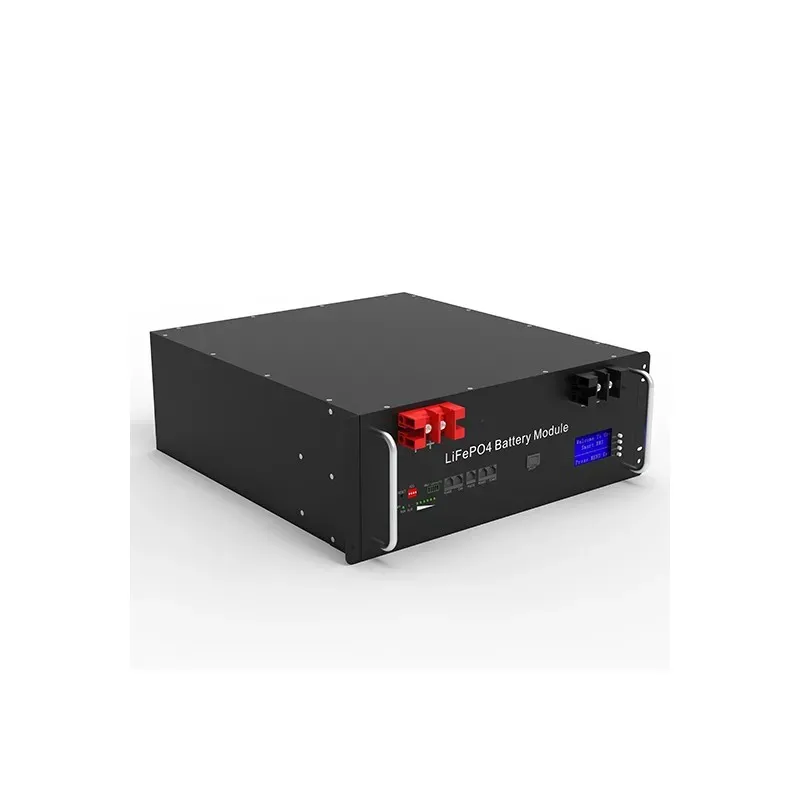
Inverter all-in-one systems are becoming increasingly popular in both residential and commercial settings as they combine several essential functions into a single unit. This guide aims to explore the features, benefits, and considerations of these versatile systems. From energy savings to user-friendly designs, understanding inverter all-in-one systems can help you make an informed choice for your energy needs.
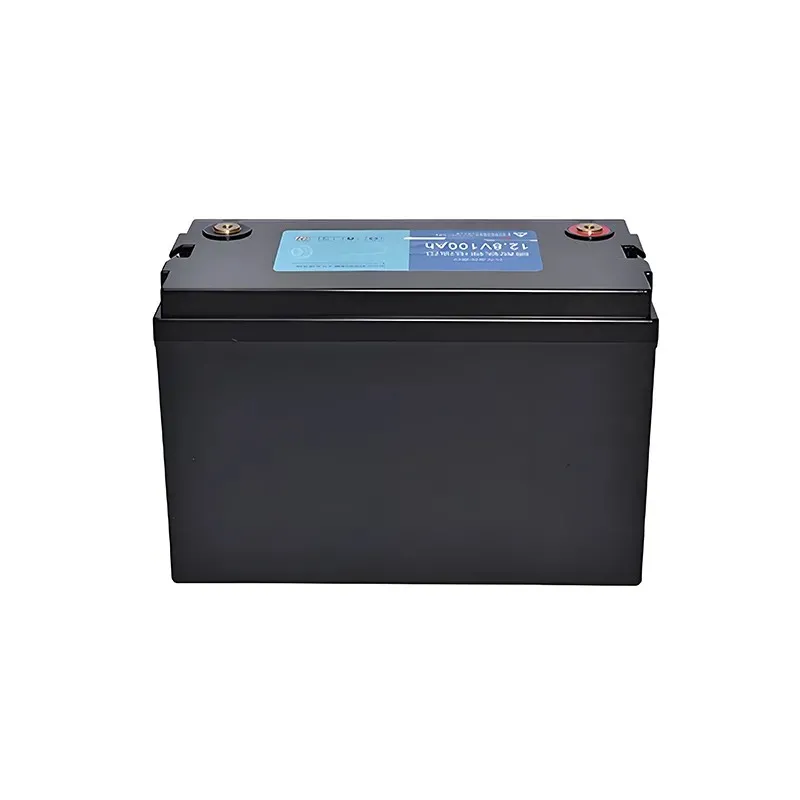
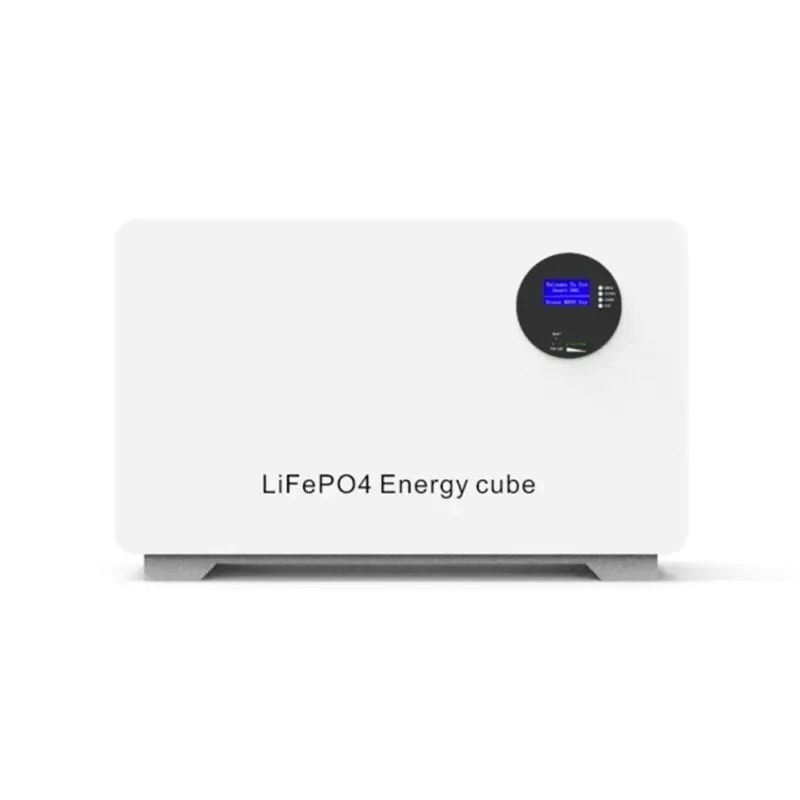
Inverter all-in-one systems integrate various components such as inverters, batteries, and sometimes solar panels within a single unit, allowing for efficient energy management and distribution.
These systems typically include:
Advantages include streamlined installation, reduced space requirements, improved energy efficiency, and cost savings on equipment.
Calculate your average energy consumption to determine the power requirements of an inverter all-in-one system suitable for your home or business.
Decide between hybrid systems (which can operate with and without the grid) and off-grid systems (which are completely independent).
Research different manufacturers like ZEMBATT to find reliable models that meet your specific needs and budget. Look for customer reviews and performance reports.
Select systems that offer comprehensive warranties and customer support for long-term reliability.
Ensure a certified electrician is responsible for the installation to comply with local safety guidelines.
Make necessary adjustments to accommodate the size and requirements of the inverter all-in-one system, including ventilation and access points.
Follow the installation manual to ensure that all connections are secure and check for functionality.

Utilize integrated monitoring tools to track energy usage and system performance, addressing any issues promptly.
Schedule annual inspections and maintenance to keep your inverter and battery in optimum condition.
Regularly update system software for improvements in functionality and security.
Understand the upfront investment versus the potential savings on energy bills and incentives available for renewable energy installations.
Explore available financing options, rebates, and tax credits that can ease the financial burden of acquiring an inverter all-in-one system.
Incorporate energy-efficient practices in daily energy use to enhance the efficiency of your system.
Follow industry trends and technological advancements to ensure your system remains at its best and consider upgrades as needed.
Implementing an inverter all-in-one system can be a transformative step towards energy efficiency and sustainability. By assessing your needs, comparing products, and ensuring proper installation and maintenance, you can enjoy the benefits of these integrated solutions for years to come.
Latest News

Hot Products
More Products