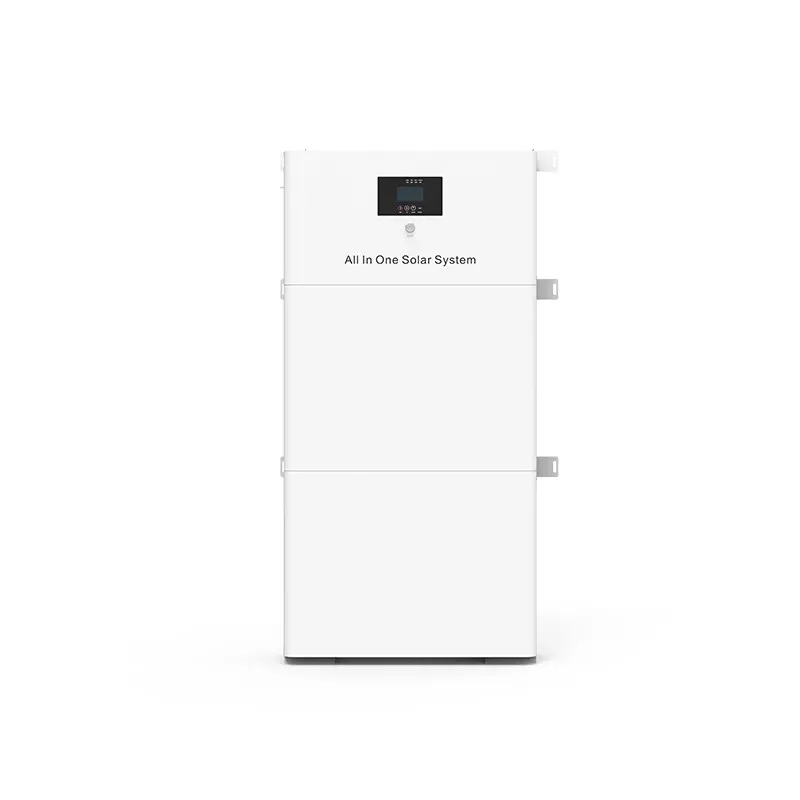
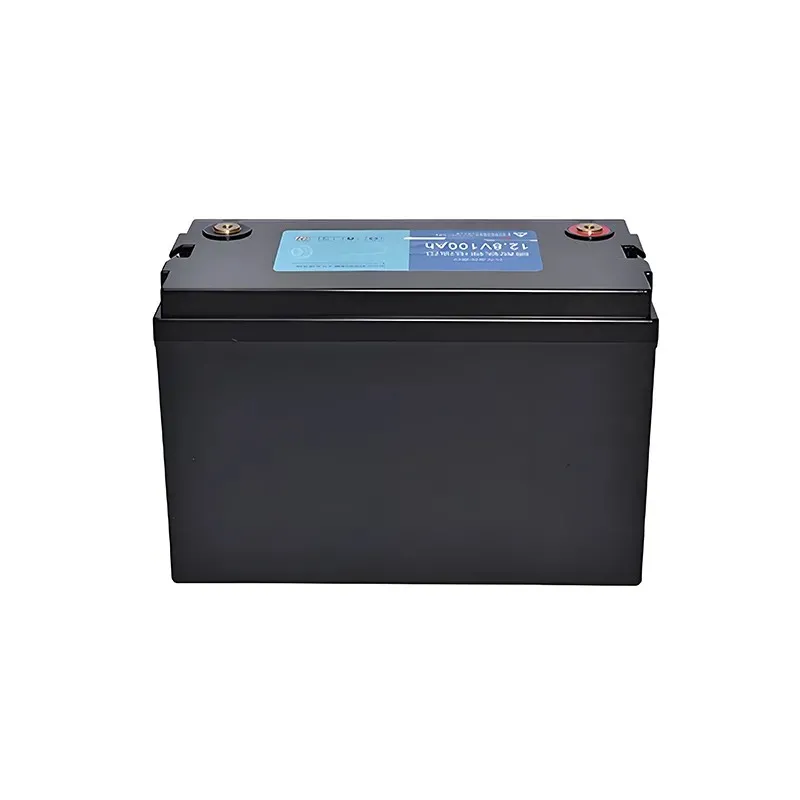
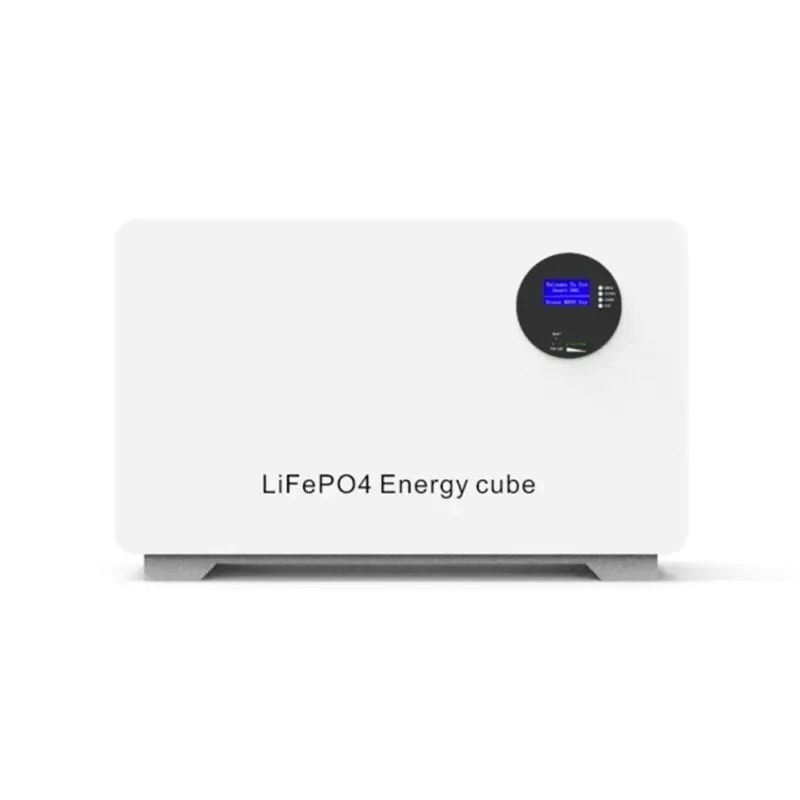
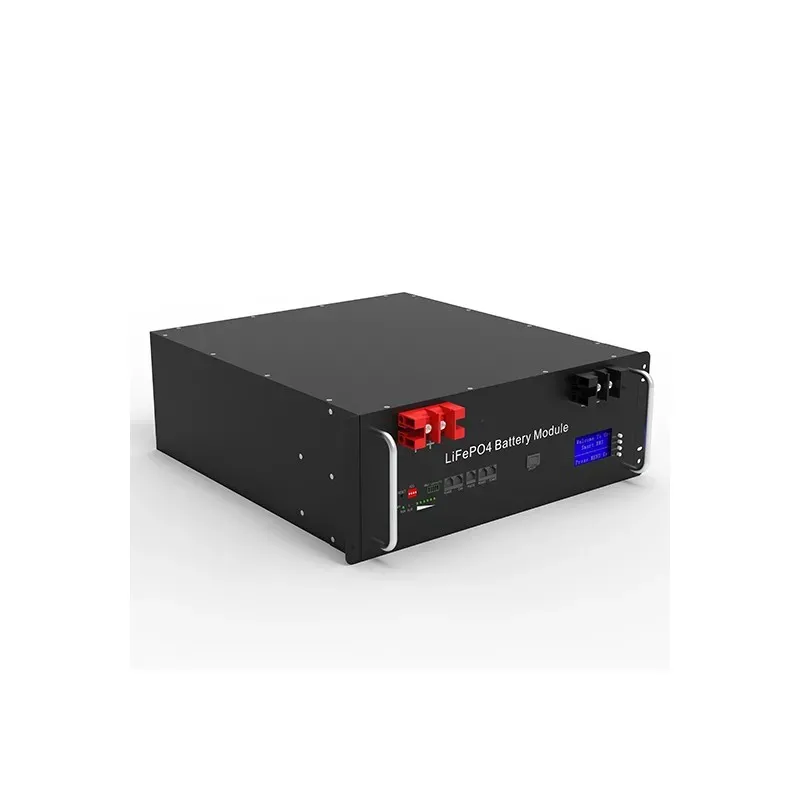
The global energy storage battery market is evolving rapidly, responding to the growing need for efficient energy solutions in residential and commercial settings. According to Grand View Research, the energy storage market is projected to reach USD 1,182.4 billion by 2030, expanding at a compound annual growth rate (CAGR) of 18.5% from 2022. However, despite this robust growth, many consumers face challenges in adopting energy storage systems, such as high costs, insufficient reliability, and compatibility issues with existing infrastructure. To address these pain points, innovative designs in sitting-stand energy storage batteries are emerging, specifically those of reputable brands like ZEMBATT, which offer adjustable configurations to maximize energy efficiency.
Several factors are driving the innovation landscape of sitting-stand energy storage batteries. The increasing demand for renewable energy, government incentives for energy storage systems, and the rise of electric vehicles (EVs) are pivotal in shaping market dynamics. Moreover, technological advancements such as the integration of Artificial Intelligence (AI) for energy management and Battery Management Systems (BMS) are improving operational efficiency. According to a 2023 report by BloombergNEF, the cost of lithium-ion batteries has decreased by 89% since 2010, facilitating broader adoption of energy storage solutions.
Modern energy storage batteries are increasingly adopting modular designs. This trend allows users to customize their energy storage capacity according to their specific needs. For instance, a user can start with a base unit and expand their system as their energy demands grow. Reports indicate that modular systems can boost energy efficiency by up to 30%, making them an attractive solution for both domestic and commercial applications.
The integration of intelligent energy management technologies is revolutionizing how consumers interact with energy storage systems. Battery systems, including those by ZEMBATT, now incorporate machine learning algorithms to predict energy consumption patterns. A study by Navigant Research highlighted that smart energy management could reduce energy costs by up to 25%, thereby enhancing user experience and operational efficiency.
Advances in battery chemistry, including the use of solid-state batteries, are leading to improved performance and safety. Solid-state batteries have a higher energy density, providing users with 60% more energy storage compared to conventional lithium-ion batteries. Moreover, they offer faster charging capabilities, taking only 30 minutes to reach 80% capacity, making them a game changer for energy storage applications.
Sustainability continues to be a critical focus in the design of sitting-stand energy storage batteries. Manufacturers are prioritizing eco-friendly materials and recyclable designs to minimize environmental impact. Reports from the International Energy Agency advocate that sustainable materials can lower the carbon footprint of energy storage systems by approximately 40%, promoting a more circular economy.
As technological advancements reduce the cost of production, energy storage systems are becoming more accessible to consumers. The reduction in average system costs by nearly 15% annually is enhancing uptake, especially among residential users looking to leverage solar energy more effectively. This is particularly relevant for users who may not have previously considered a sitting-stand energy storage battery due to budget constraints.
For buyers, these trends signify a transition towards more energy-efficient, cost-effective, and user-friendly energy storage solutions. Homeowners looking to cut down on energy bills can now find customizable systems that fit their unique needs. Commercial enterprises can benefit from advanced technologies that integrate seamlessly with existing infrastructure, providing real-time energy monitoring and management. Furthermore, the shift towards more sustainable practices aligns with the growing consumer preference for green technologies, offering added value to purchasers.
When considering the purchase of a sitting-stand energy storage battery, consumers should evaluate their specific energy needs, taking into account factors like cost, capacity, and technology. It's advisable to conduct a thorough comparison of different brands, particularly focusing on warranty policies, performance claims, and customer service experiences. Opting for brands like ZEMBATT, known for its reliability and innovative designs, can provide peace of mind and long-term satisfaction.
Q: What is the main advantage of a sitting-stand energy storage battery?
A: The primary advantage is the flexibility in energy management, allowing users to easily adjust their energy storage capacity to meet changing demands.
Q: How long do sitting-stand energy storage batteries last?
A: Most sitting-stand energy storage batteries come with a lifespan of 10-15 years, depending on usage patterns and maintenance.
Q: Are there any safety concerns associated with these batteries?
A: Modern designs incorporate various safety features, including thermal management systems, to minimize risks and ensure safe operation.
Latest News

Hot Products
More Products