News

Home  / About Us / News / Wall-mounted vs Sitting-Stand Energy Storage Battery: Key Differences

Wall-mounted vs Sitting-Stand Energy Storage Battery: Key Differences

May. 14, 2026

Introduction to Energy Storage Solutions

Understanding Wall-Mounted and Sitting-Stand Batteries

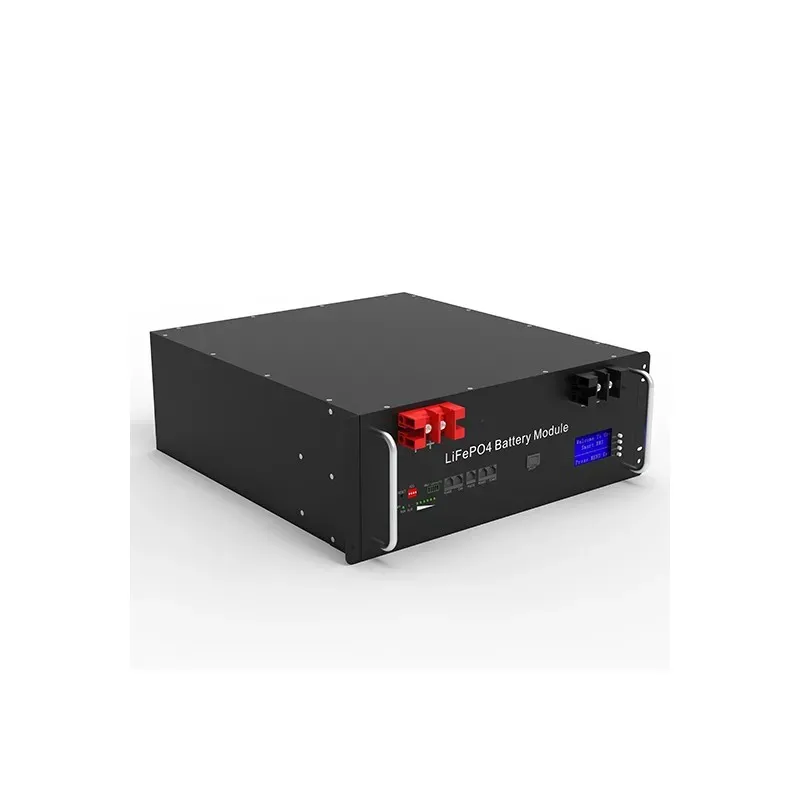
The rise of renewable energy sources has led to an increasing need for efficient energy storage solutions. Wall-mounted and sitting-stand energy storage batteries are two popular types that cater to varied user needs. In this article, we will delve into the key differences between these battery systems, highlighting their core features, advantages, and use-case suitability. Our company, ZEMBATT, strives to provide reliable energy storage options suitable for various applications.

Core Parameter Comparison

Key Specifications of Each Battery Type

  • Energy Capacity (kWh)
  • Output Power (kW)
  • Dimensions (L x W x H)
  • Weight (kg)
  • Battery Chemistry (Li-ion, Lead Acid, etc.)
  • Cycle Life (Charge/Discharge Cycles)

The following table outlines the core parameters of wall-mounted and sitting-stand energy storage batteries, aiding in a clear comparison:

Specification Wall-Mounted Battery Sitting-Stand Battery
Energy Capacity 5-20 kWh 5-15 kWh
Output Power 2-7 kW 1-5 kW
Dimensions Compact (ideal for small spaces) Larger footprint needing more space
Weight Lighter, easier to install Heavier, may require support for stability
Battery Chemistry Usually Li-ion Li-ion or Lead Acid
Cycle Life 2000-5000 Cycles 1000-3000 Cycles

User Experience and Performance

Evaluating Battery Life and Stability

The performance of these energy storage solutions can significantly influence user satisfaction and decision-making. Here are some key aspects to consider:

  • Battery Life: Wall-mounted batteries typically offer longer lifespan due to better thermal management compared to sitting-stand options.
  • Stability: Wall-mounted batteries are generally more stable as they have a fixed installation, reducing the risks associated with movement.
  • Charging Speed: Wall-mounted batteries often have faster charging cycles due to optimized designs.

Advantages and Disadvantages

Pros and Cons of Each Type

Wall-Mounted Battery

  • Advantages:
    • Space-saving design
    • Longer lifespan and better performance
    • Easy installation and maintenance
  • Disadvantages:
    • Limited expandability
    • Higher initial cost

Sitting-Stand Battery

  • Advantages:
    • Flexibility in placement
    • Generally lower cost
  • Disadvantages:
    • Requires more floor space
    • Lower cycle life and charging speed

Recommendations for Suitable User Groups

Identifying Ideal Use Cases

Choosing between wall-mounted and sitting-stand batteries greatly depends on your specific needs and circumstances. Here are our recommendations:

  • Wall-Mounted Battery: Suitable for residential users with limited space, offering a clean aesthetic and better long-term performance.
  • Sitting-Stand Battery: Ideal for users requiring portability and flexibility—like those in temporary setups, offices, or for backup power in larger spaces.

Conclusion

In summary, the choice between wall-mounted and sitting-stand energy storage batteries hinges on various factors including space availability, budget, and intended use. At ZEMBATT, we aim to provide detailed insights and recommendations to help you make the best decision for your energy storage needs.

Wall-mounted vs Sitting-Stand Energy Storage Battery: Key Differences

Latest News


Hot Products

More Products