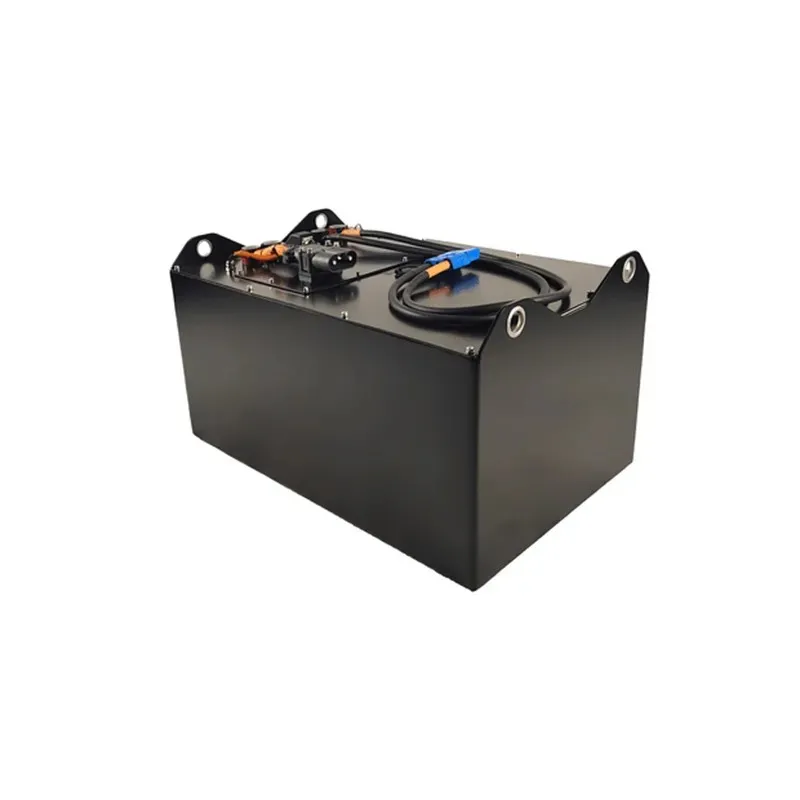
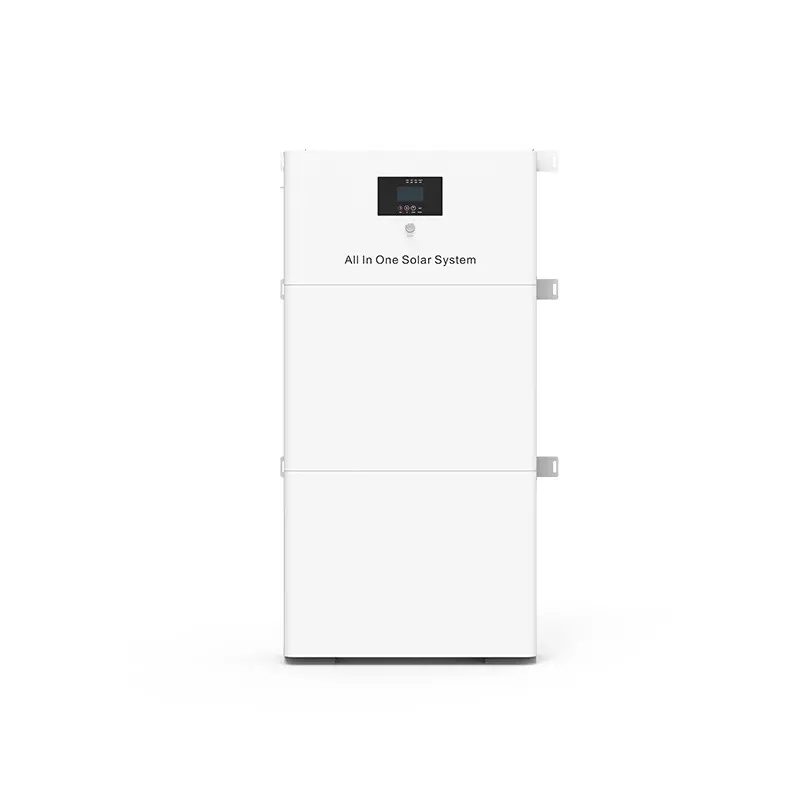
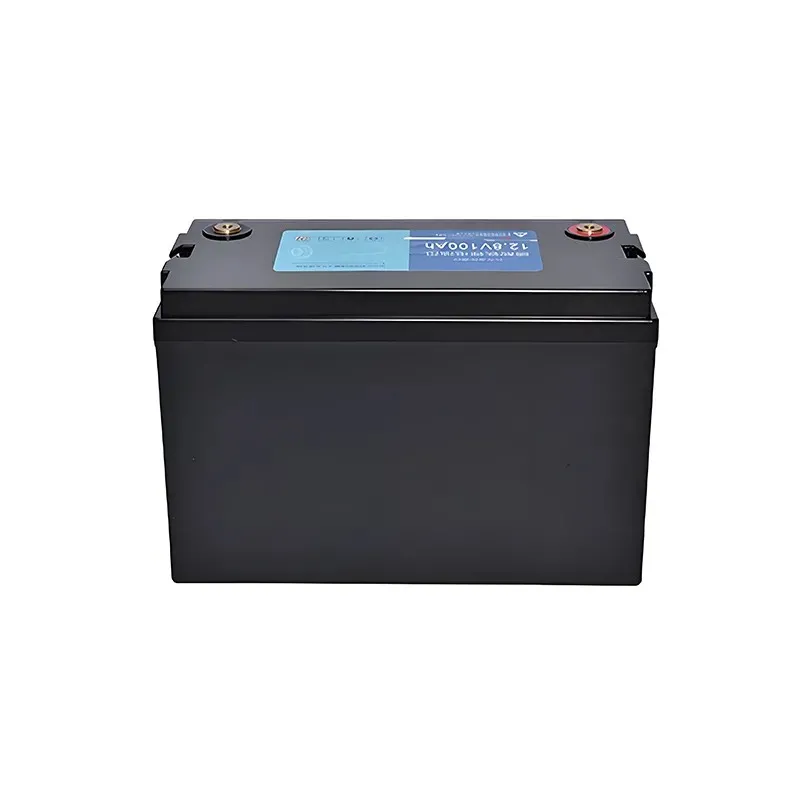
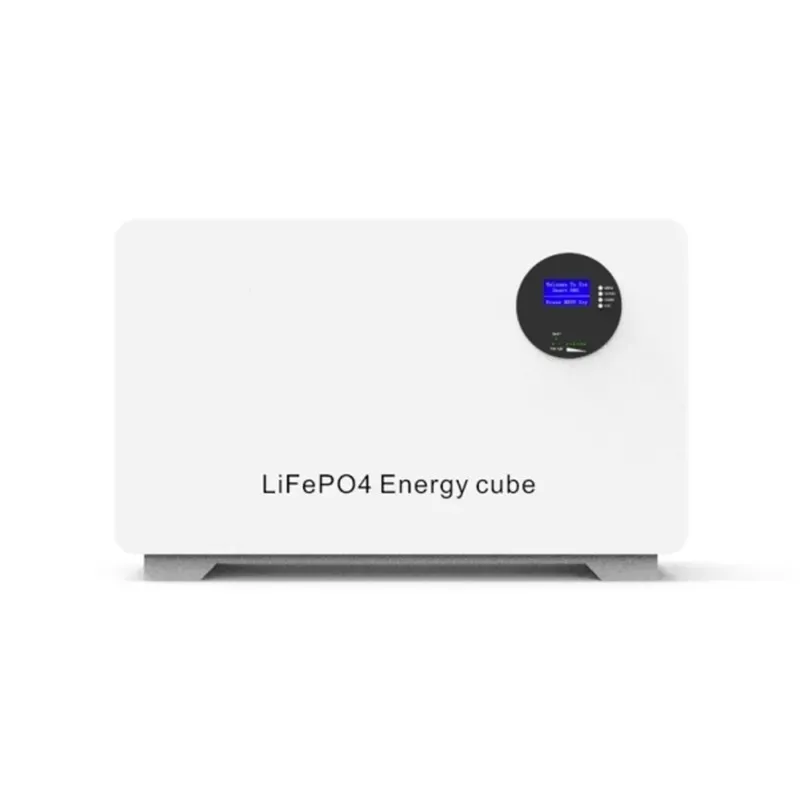
The emergence of wholesale lithium phosphate batteries has revolutionized the energy storage industry. With the increasing demand for sustainable energy solutions, these batteries are critical in various applications, from electric vehicles (EVs) to home energy storage systems. Statistics show that the global lithium-ion battery market is projected to reach $100 billion by 2028, growing at a compound annual growth rate (CAGR) of 20.5%. Such rapid growth highlights the significance of lithium phosphate technology in enhancing our energy infrastructure.
The pain points surrounding conventional batteries, such as short lifespan, slow charging rates, and safety concerns, are being addressed by lithium phosphate alternatives. For instance, LiFePO4 (lithium iron phosphate) batteries offer improved safety profiles with a lower risk of overheating and fires compared to other lithium-ion batteries. The reliable performance and cost-effectiveness of these batteries are vital as industries transition towards greener energy solutions, maximizing efficiency while reducing carbon footprints.

Wholesale lithium phosphate batteries (LiFePO4) are a type of lithium-ion battery that uses lithium iron phosphate as the cathode material. Unlike conventional lithium-ion batteries, which often utilize cobalt or nickel, lithium phosphate batteries are celebrated for their stability and safety.
Industry Terms:
Wholesale lithium phosphate batteries find extensive applications across several sectors:
Several critical advantages solidify the importance of wholesale lithium phosphate batteries:
The cumulative benefits of safety, longevity, and environmental stewardship make wholesale lithium phosphate batteries excel as a sustainable energy solution.
If you're considering integrating wholesale lithium phosphate batteries into your energy solutions, the first step is to consult a user manual or product guide. Understanding product specifications, installation requirements, and maintenance is crucial for maximizing efficiency and lifespan. For a deeper dive into its offerings and expert recommendations, consider exploring resources from ZEMBATT, a trusted name in the battery industry.
1. What is the lifespan of a lithium phosphate battery?
The typical lifespan ranges between 3,000 to 5,000 charge cycles, depending on usage conditions and maintenance.
2. Can lithium iron phosphate batteries be recycled?
Yes, these batteries can be recycled, making them a more environmentally friendly option in energy storage.
3. How long does it take to charge a lithium phosphate battery?
Charging rates can vary but typically range from 30 to 120 minutes to reach a full charge, depending on the charger and battery capacity.
For a comprehensive understanding or to trial these solutions, we highly recommend visiting ZEMBATT's official site, where you can explore an extensive range of lithium phosphate batteries, tailored specifically to meet diverse energy needs. Embrace the future of energy storage with confidence!
This guide sheds light on wholesale lithium phosphate batteries, addressing core user concerns while providing essential insights into this evolving technology. By understanding these elements, users can make informed decisions that align with their energy needs and sustainability goals.
Latest News

Hot Products
More Products