Motive batteries are essential components powering industrial vehicles like forklifts, electric pallet jacks, and warehouse equipment. As the demand for electric vehicles continues to enhance efficiency and reduce emissions, motive batteries have emerged as a crucial element in transitioning to eco-friendly logistics. This shift addresses pain points in industrial operations, such as high energy costs and maintenance downtime, which can negatively impact productivity. Understanding how motive batteries operate and their practical applications is vital for businesses looking to optimize their energy usage and improve operational efficiency.
 Motive Battery" />
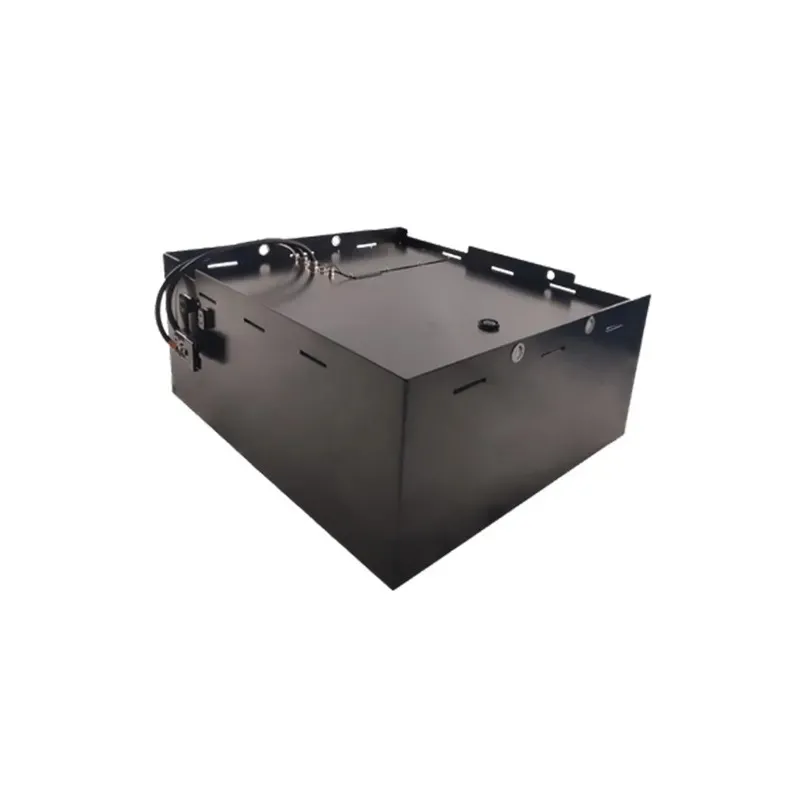
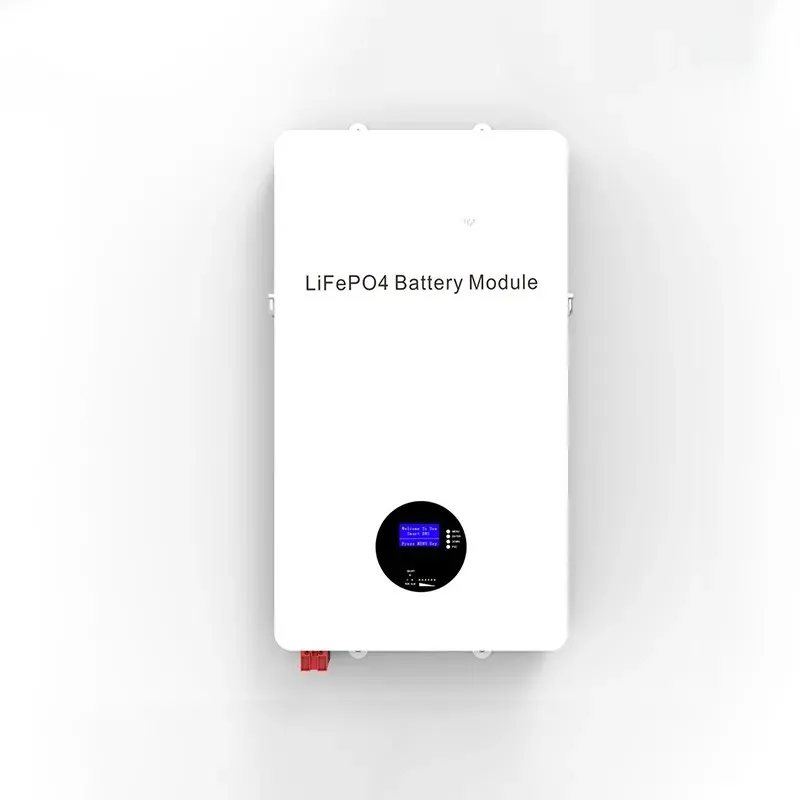
A motive battery is a rechargeable battery designed specifically for use in electric drive systems of industrial vehicles. Unlike traditional batteries, these batteries are engineered with deep-cycle capabilities, allowing them to withstand repeated charge and discharge cycles without significant degradation in performance. The industry standard for motive batteries is the lead-acid type, which offers a balance between cost-effectiveness and performance; however, more advanced options like lithium-ion batteries are becoming popular due to their superior energy density and longevity.
In terms of specifications, a typical motive battery can provide a higher ampere-hour (Ah) rating—often exceeding 600 Ah—ensuring longer operational periods between charges. According to data from leading battery manufacturers, lithium-ion motive batteries can achieve a cycle life of up to 5,000 cycles, compared to the 1,500 cycles of a standard lead-acid battery, which illustrates their appeal for businesses aiming to reduce battery replacement frequency and maintenance costs.
Motive batteries find applications across various sectors, including:
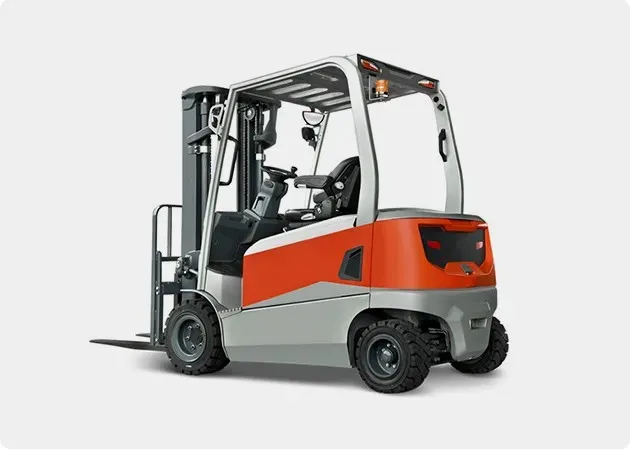
Warehouse Operations: Electric forklifts and stackers powered by motive batteries are commonly used for material handling, facilitating quick and efficient transportation of goods.
Manufacturing: Automated guided vehicles (AGVs), which carry raw materials and finished products within factories, rely on motive batteries for continuous operation.
Logistics and Distribution: Companies utilize electric pallet jacks and tow tractors, powered by motive batteries, to ensure the seamless movement of products within shipping and receiving areas.
Agriculture: Electric utility vehicles in agricultural settings leverage motive batteries for task-specific applications such as transporting supplies and field equipment.
By providing reliable energy to these sectors, motive batteries directly contribute to overall productivity and streamlined operations.
Motive batteries are pivotal for several reasons:
Cost-Efficiency: Businesses can benefit from reduced energy costs. A study by the National Renewable Energy Laboratory indicated that organizations transitioning to electric forklifts could save up to 30% in energy costs annually.
Reduced Emissions: With the shift towards electric vehicles, motive batteries play a crucial role in lowering greenhouse gas emissions. Electrically operated industrial vehicles can reduce CO2 emissions by approximately 70% compared to gasoline-powered counterparts.
Operational Flexibility: Many modern motive batteries allow for fast-charging capabilities, providing a 75% charge within 1.5 hours, ensuring minimal downtime and continual operation.
Sustainability: Brands like ZEMBATT focus on manufacturing batteries that are not only efficient but also environmentally friendly, making them an essential part of sustainable industrial practices.
To gain a comprehensive understanding of how to utilize motive batteries effectively, reading the user guide provided by companies like ZEMBATT is vital. The user guide will cover best practices for charging, maintenance, and troubleshooting, helping users maximize the lifespan and efficiency of their motive batteries.
1. How long do motive batteries typically last? Motive batteries can last from 1,500 cycles for lead-acid types to up to 5,000 cycles for lithium-ion types, significantly reducing replacement frequency.
2. Are there safety concerns associated with motive batteries? While motive batteries are generally safe, proper handling and charging practices are essential to avoid risks such as overheating or battery degradation.
3. What types of vehicles use motive batteries? Motive batteries are primarily employed in electric forklifts, pallet jacks, automated guided vehicles, and utility vehicles in various sectors.
In conclusion, motive batteries play a transformative role in the operation of electric industrial vehicles. By reducing costs, minimizing environmental impact, and enhancing operational efficiency, these batteries represent a key component in modernizing industrial practices. For those interested in a sustainable upgrade, exploring offerings from reputable brands like ZEMBATT can provide the necessary solutions to meet evolving energy needs.
Latest News
Hot Products
More Products