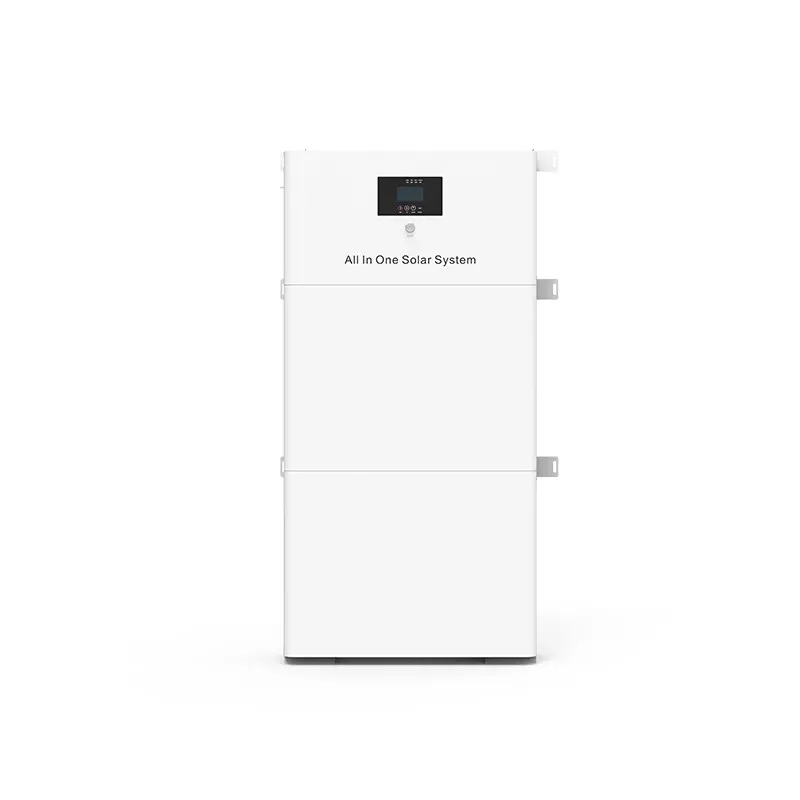
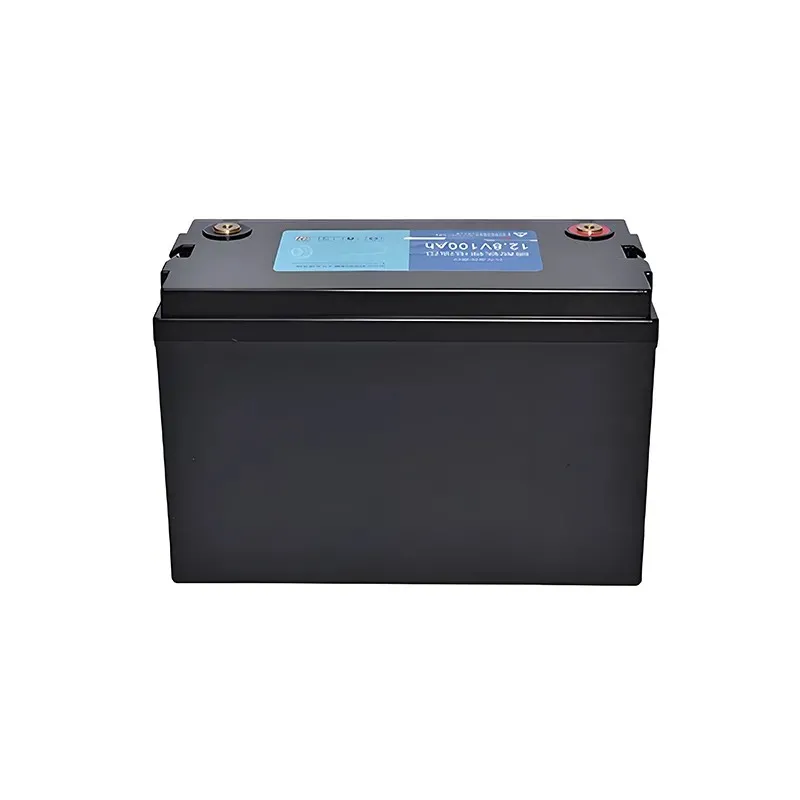
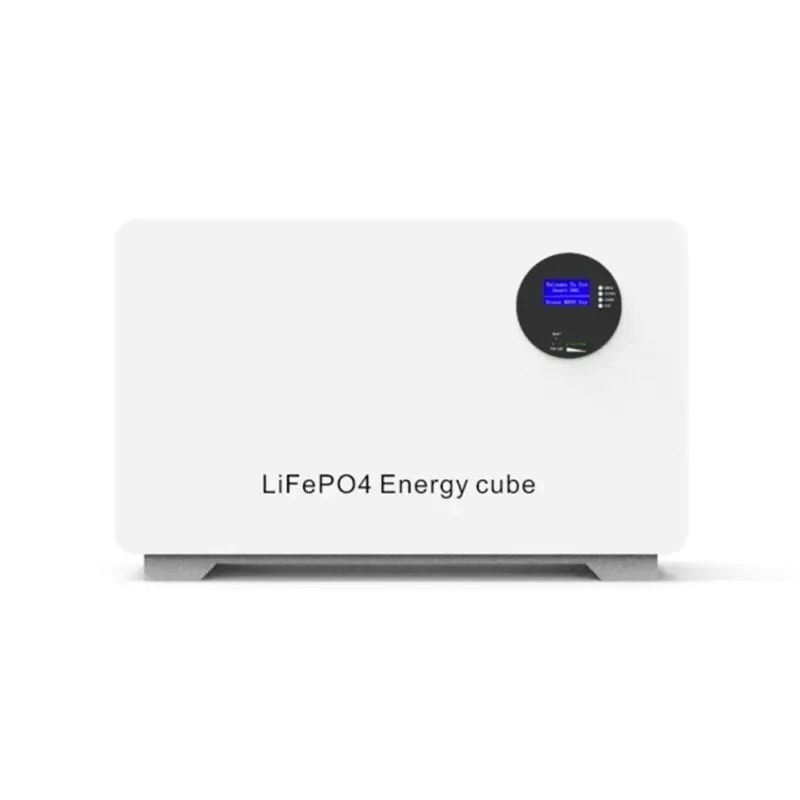
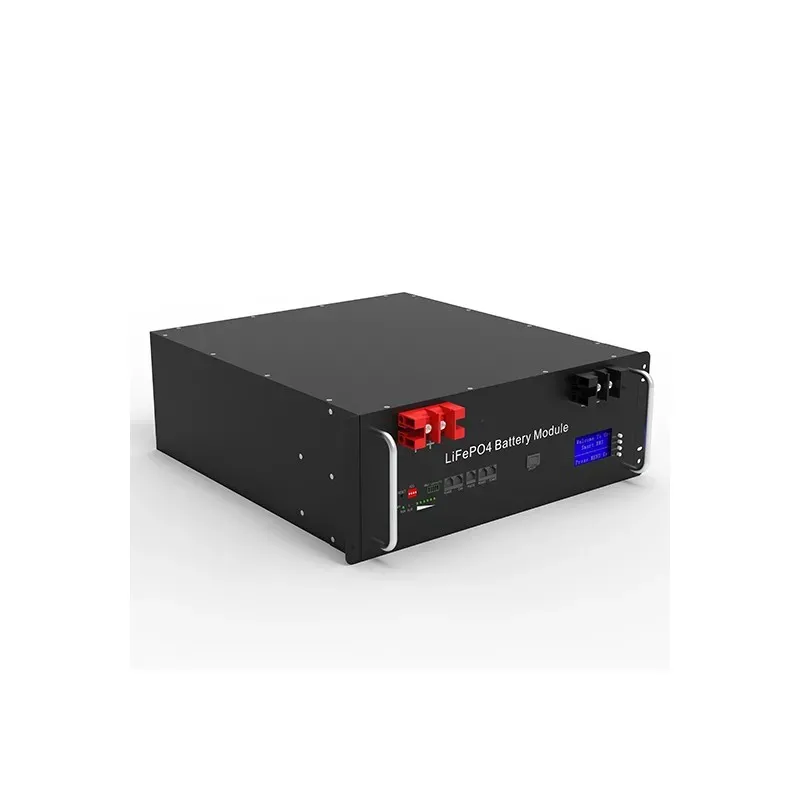
An inverter all-in-one is a compact, integrated device designed to convert direct current (DC) to alternating current (AC), allowing various electrical appliances to operate effectively in both residential and commercial settings. With its compact design, the inverter all-in-one features built-in functionalities such as solar charging, battery management, and power output capabilities. This innovation is particularly valuable for businesses reliant on reliable power sources, as it eliminates the need for multiple separate devices, facilitating more efficient energy management.
The concept of inverters has been around since the mid-20th century, primarily evolving alongside advancements in renewable energy technologies. Initially, inverters were bulky standalone units primarily used in large industrial settings. However, the increasing demand for energy-efficient solutions led to the development of compact, all-in-one systems that cater to residential users and small businesses while maintaining compliance with industry standards, such as the IEEE 1547 for interconnecting distributed resources with electric power systems.
In practical terms, the inverter all-in-one provides several significant benefits. It seamlessly integrates renewable energy sources, such as solar panels, into the home or business power supply, facilitating a smoother transition to green energy. Businesses that adopt this technology can experience substantial cost savings on their electricity bills. For instance, companies utilizing an inverter all-in-one can significantly reduce energy consumption by accessing stored battery power during peak usage hours, enabling savings of up to 30% in energy costs. Additionally, these systems often feature monitoring capabilities, allowing users to track energy usage patterns and optimize their energy consumption efficiently.
Despite the advantages, there are common misconceptions related to inverter all-in-ones. Some people assume they are only suitable for large enterprises or cannot support heavy loads, which is not the case. Inverter all-in-one devices, particularly those from reputable brands like ZEMBATT, can support a variety of household appliances, making them ideal for both small and larger power requirements. Others mistakenly believe that these devices require constant, expert maintenance. However, many of the latest models require minimal upkeep and can operate flawlessly for years, provided they are installed correctly according to the manufacturer's specifications.
To illustrate the effectiveness of inverter all-in-one systems, consider a case study involving a medium-sized coffee shop. By switching to a ZEMBATT inverter all-in-one system, the shop was able to save approximately $500 monthly on energy bills. The system integrated seamlessly with their solar panels, ensuring that they utilized the maximum amount of clean energy available. The business not only improved its carbon footprint but also created an attractive marketing point by emphasizing its commitment to sustainability, which resonated well with environmentally conscious consumers.
Overall, understanding what an inverter all-in-one is and how it works reveals its critical role in modern energy management, particularly for businesses aiming to optimize power efficiency. By integrating advanced functionalities in a single device, the inverter all-in-one offers practicality and cost savings, making it a valuable asset. As energy demands continue to rise, businesses would benefit significantly from considering this technology. Whether it's through seeking out more information or exploring the benefits of brands like ZEMBATT, the transition to inverter all-in-one systems is a step towards a more efficient future.
Latest News

Hot Products
More Products