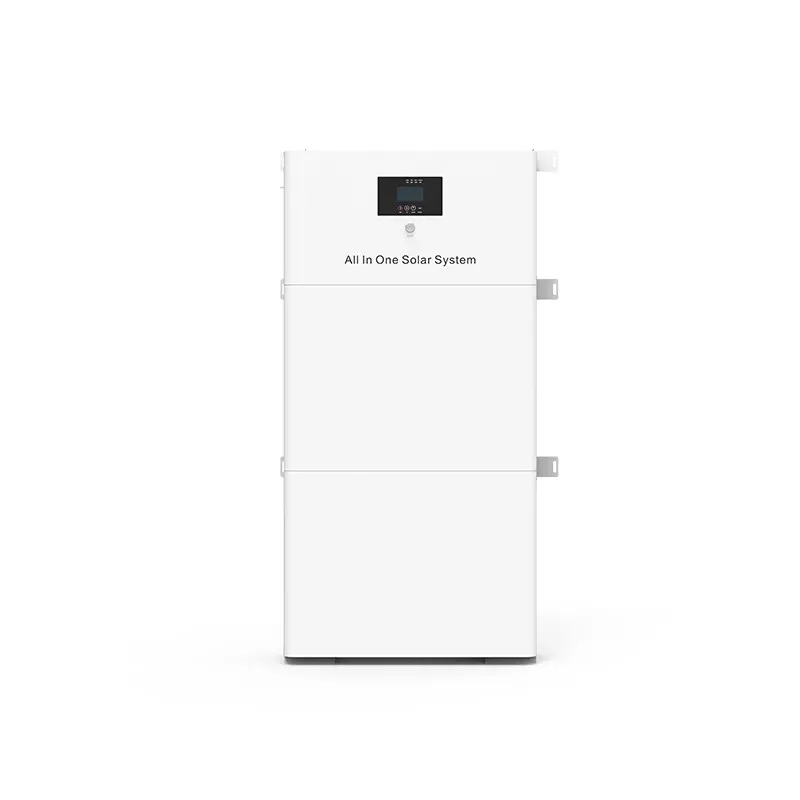
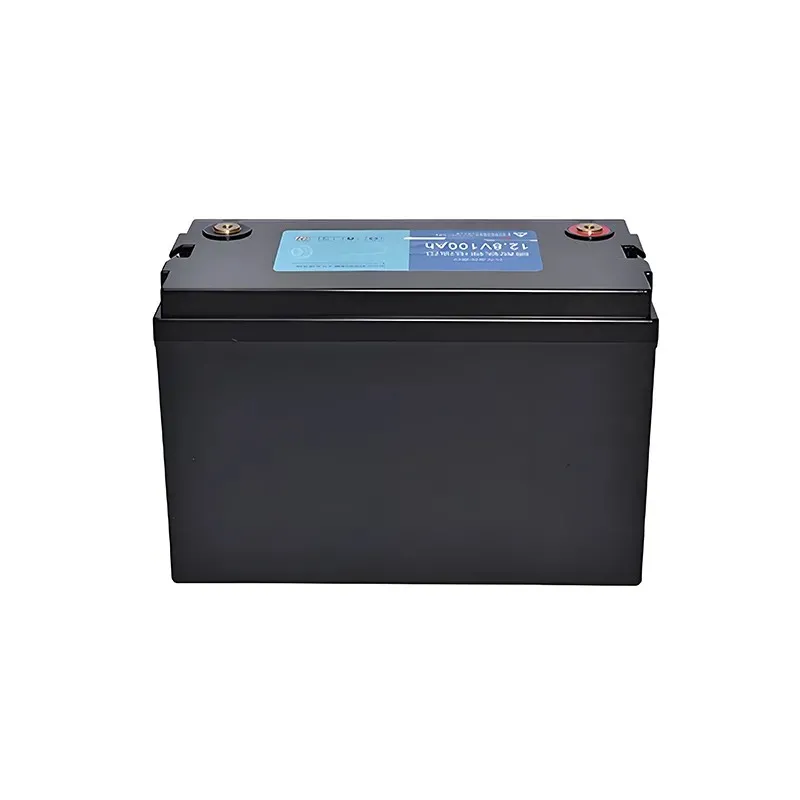
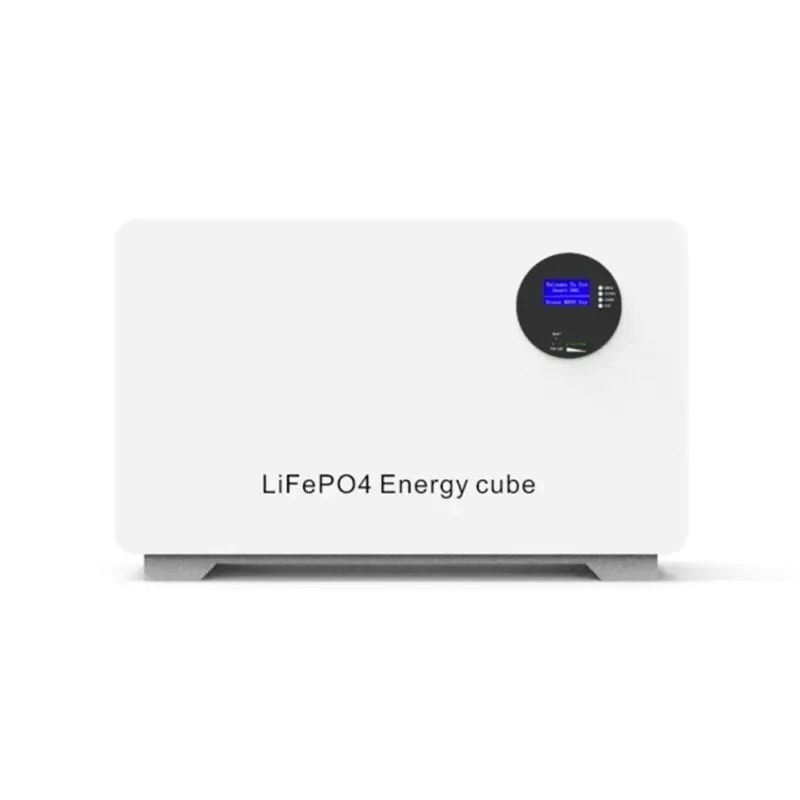
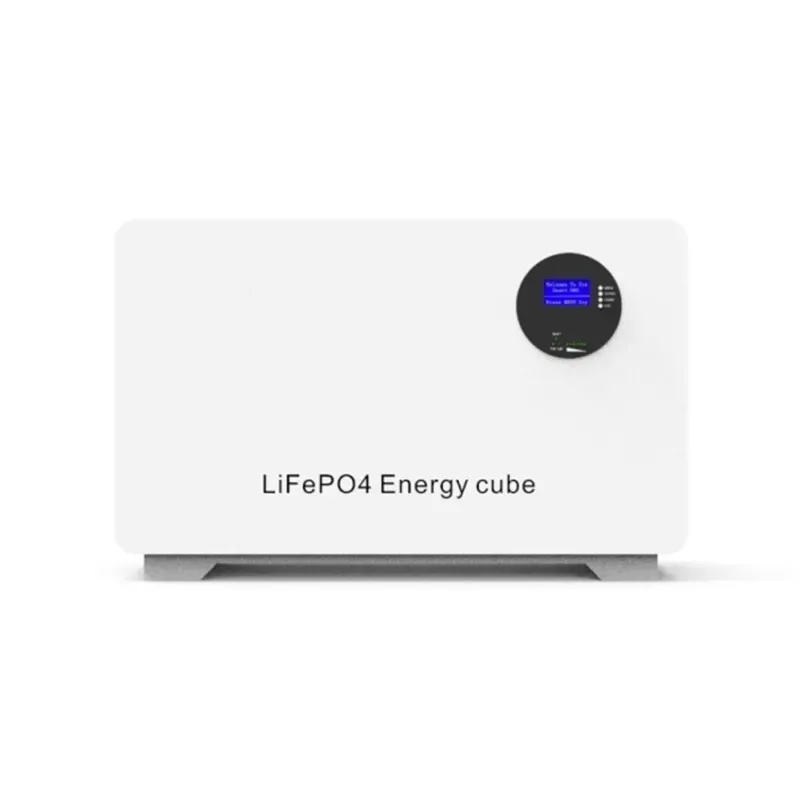
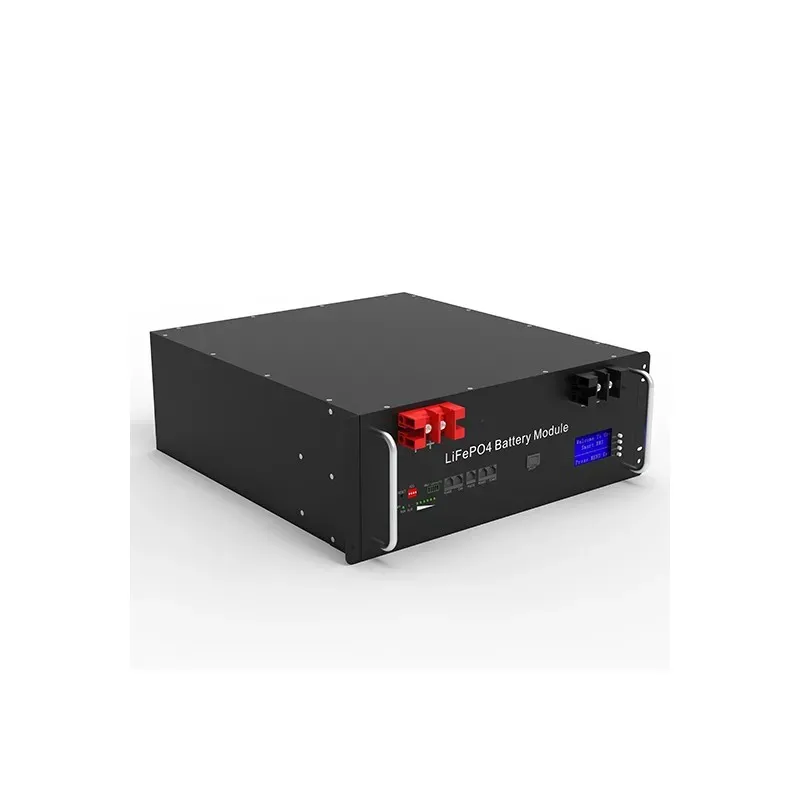
In recent years, the demand for sustainable and efficient energy solutions has been on the rise, especially in the context of renewable energy systems. Among these solutions, the Inverter all-in-one battery system has emerged as a powerful player. This system combines solar inverters and battery storage solutions into a single, compact unit, addressing pain points such as space constraints, installation complexity, and energy reliability.
With homeowners increasingly seeking solar energy storage options, understanding how an inverter all-in-one battery system functions is crucial. This article will explore the significance of this technology, its applications, advantages, and provide guidance for users seeking to make informed decisions about their energy systems.

An inverter all-in-one battery system is a compact device that integrates solar panels, a battery storage unit, and an inverter into a singular system. In simpler terms, it allows solar energy generated during the day to be stored for use during the night or on cloudy days. This integration simplifies the installation process and maximizes space, making it ideal for residential or small commercial use.
The technical terms often associated with these systems include:
Inverter all-in-one systems have found widespread applications across various fields:
Space Efficiency: With the integration of multiple components into one unit, an inverter all-in-one battery system takes up significantly less space than traditional setups. For instance, many systems can fit within a standard residential utility room.
Cost-Effectiveness: According to a report by Solar Energy Industries Association (SEIA), combining solar and storage can reduce overall system costs by up to 30% when compared to separate purchases of solar panels, inverters, and batteries.
Ease of Installation: The all-in-one approach simplifies the installation process, which can be done in as little as a few hours by certified technicians compared to days for separate systems.
Reliability: With the capacity to store energy generated during peak sunlight hours, these systems provide a reliable energy source, smoothing out demand peaks and ensuring availability during outages.
Enhanced Safety Features: Modern systems include safety features that protect against overcharging and overheating, ensuring user-friendly operation without the need for constant monitoring.
If you’re considering integrating an inverter all-in-one battery system into your home or business, start by reading the user manual that comes with the product. This guide will provide specific information on system setup, operation, and maintenance, ensuring optimal performance. For example, understanding the charging cycles can significantly extend the lifespan of your battery storage unit.
For those interested in exploring more about solar energy solutions, we recommend checking out ZEMBATT, a brand known for its innovative energy storage solutions. ZEMBATT provides an array of products designed to meet the demands of modern energy consumers.
Most systems have a lifespan of around 10-15 years, depending on usage and maintenance.
Yes, these systems can provide power during outages, storing energy from solar panels or the grid.
Storage capacity can vary widely, typically from 5 kWh to 15 kWh, depending on the system design and battery type.
Yes, these systems require minimal maintenance, mainly monitoring the battery health and ensuring connections remain secure.
The inverter all-in-one battery systems represent a step forward in energy efficiency and sustainability. By leveraging the power of solar energy, these comprehensive solutions not only help reduce electricity costs but also contribute to a greener future.
Exploring inverter all-in-one battery systems can lead to a more sustainable lifestyle, enhanced energy independence, and peace of mind, knowing that you have a reliable power source at your fingertips.
Latest News

Hot Products
More Products