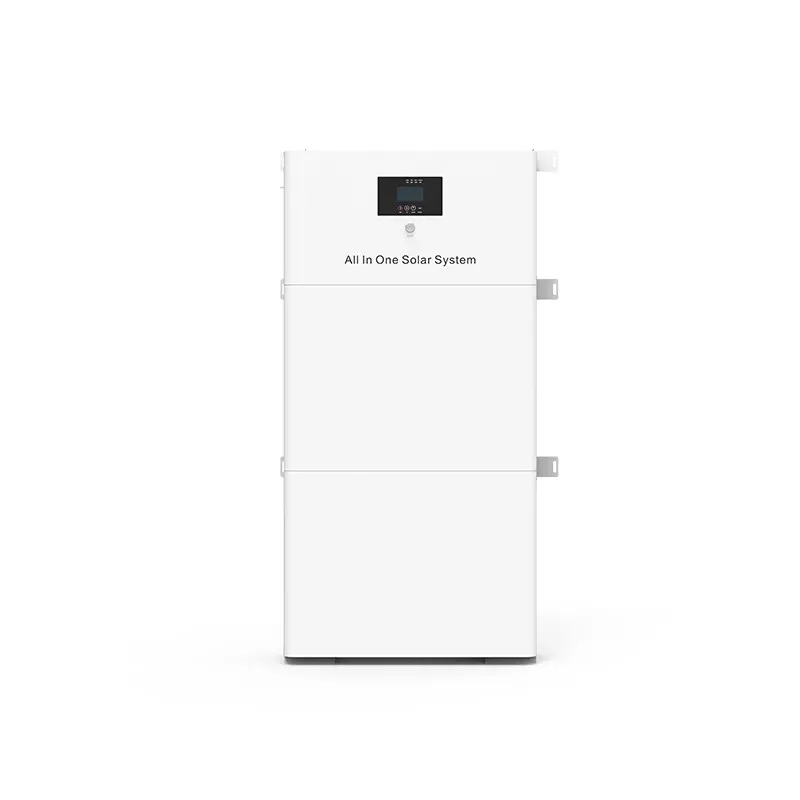
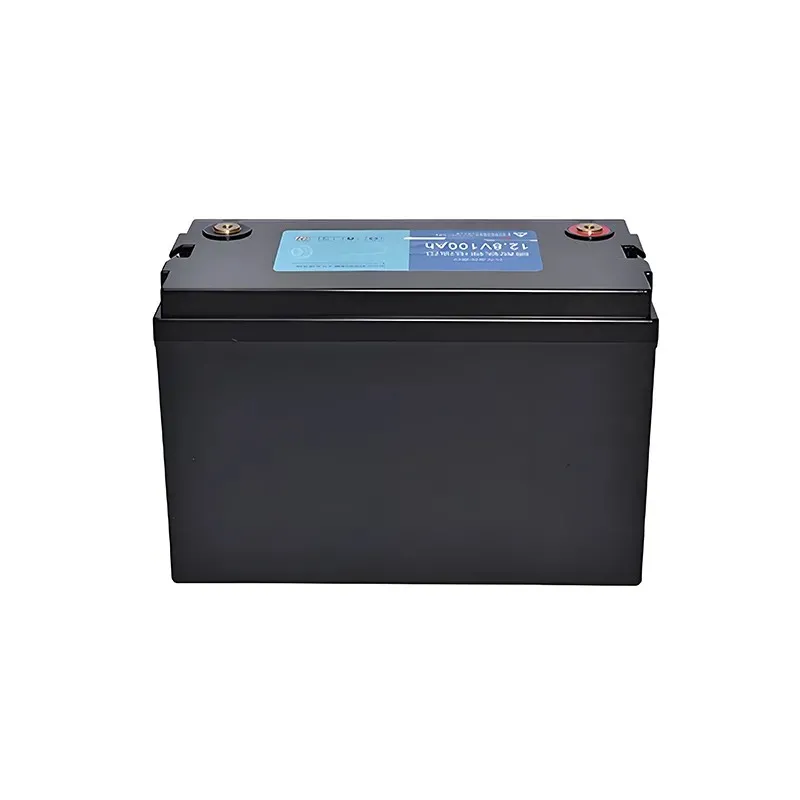
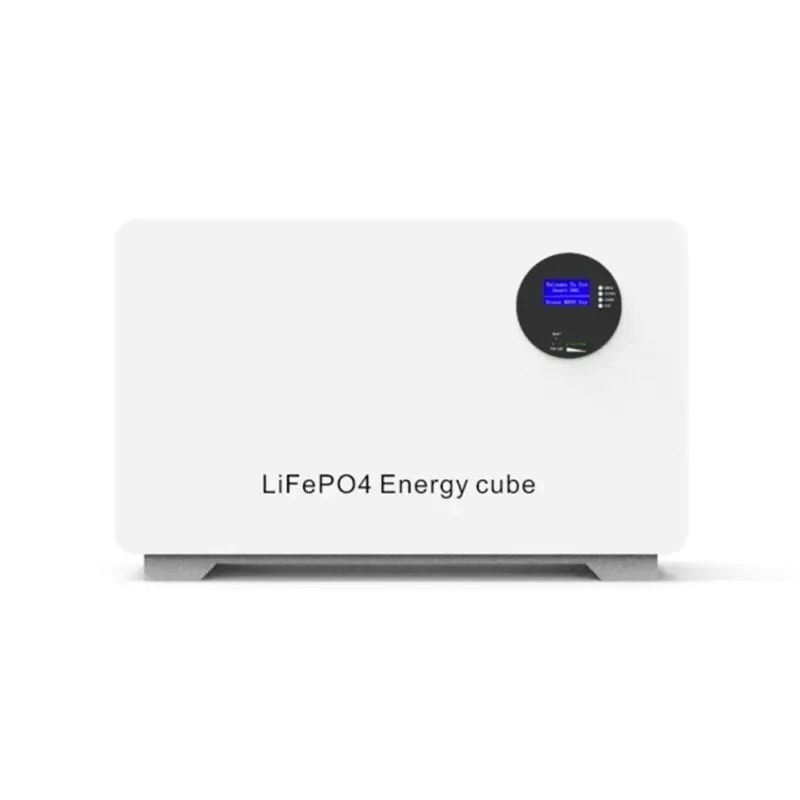
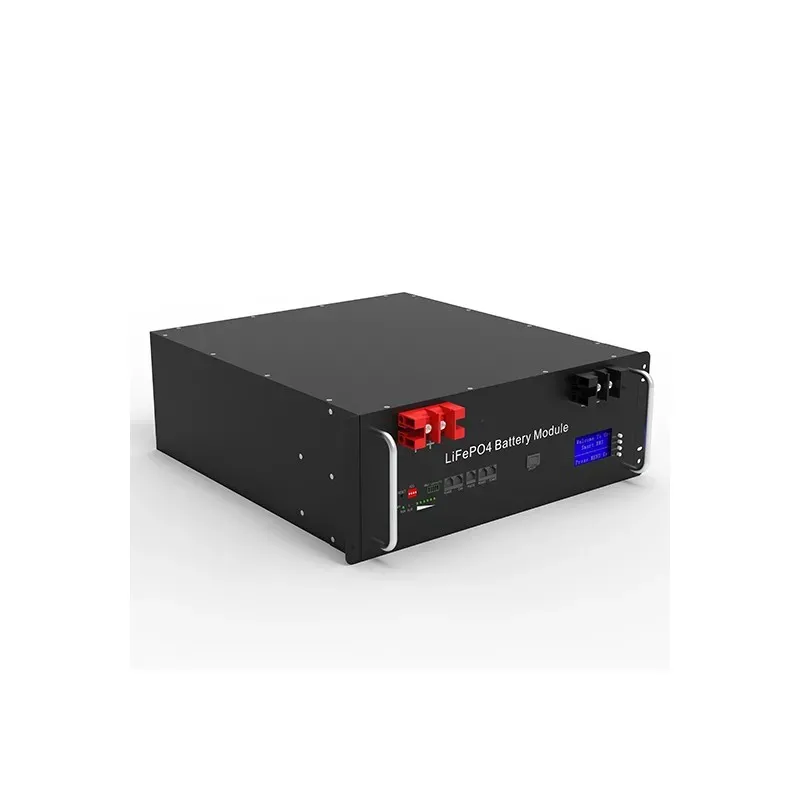
The importance of factory testing in a lifepo4 battery factory cannot be overstated, as it directly impacts product quality, safety, and overall market competitiveness. The failure to rigorously test LiFePO4 batteries can lead to catastrophic results, including battery failures that not only put consumers at risk but also damage a brand’s reputation and financial stability. With the burgeoning demand for reliable energy storage solutions, particularly in electric vehicles (EVs) and renewable energy installations, oversight in the manufacturing phase becomes a critical liability. Neglecting proper factory testing processes can allow flawed products to enter the market, leading to a range of failures that could reverberate through supply chains, impacting customer trust and company success.
Understanding the underlying causes of inadequate factory testing begins with recognizing the complexity of LiFePO4 battery technology. Different components – including electrodes, electrolyte chemistry, and thermal management systems – must work in harmony to ensure optimal performance. A failure to monitor these components through precise testing could lead to failures, inefficiencies, or worse, safety hazards. That is why a factory like ZEMBATT must implement standardized testing protocols such as those specified by ASTM and DIN to effectively measure key parameters like capacity, efficiency, and thermal stability. The integration of advanced testing methodologies, including precision measurements to 0.01mm, ensures that the batteries meet rigorous industry standards and perform reliably in real-world applications.
From a broader industry perspective, the ramifications of neglecting factory testing are profound. In a market increasingly governed by consumer awareness and regulatory demands, manufacturers cannot afford to compromise on quality. Companies that prioritize rigorous factory testing can capitalize on their reputation for reliability and performance, securing a competitive edge. For instance, according to a recent study, manufacturers that adhered to stringent testing protocols reported a 30% reduction in customer complaints and return rates. This data underscores the fact that properly tested products lead to greater customer satisfaction and, ultimately, repeat business.
Real-world case studies have illustrated these points compellingly. In 2020, a leading LiFePO4 battery manufacturer faced significant legal repercussions after releasing a batch of batteries that had not undergone thorough testing. This negligence led to incidents of battery failure in critical applications, resulting in costly recalls and damaging their market position. Conversely, ZEMBATT, which employs a 100% inspection routine, has seen no significant product failures or customer complaints in the past two years. By investing in factory testing, they’ve fortified their reputation and ensured customer loyalty, illustrating how proactive measures can manifest as tangible business benefits.
However, the consequences of neglecting factory testing are stark and far-reaching. Beyond the immediate financial implications, such as recall expenses and legal liabilities, the long-term fallout could involve diminished brand equity and dwindling market share. In a rapidly evolving technological landscape, failing to adhere to quality norms could spell disaster for businesses aiming to pivot with changing consumer demands and energy regulations.
In conclusion, I encourage manufacturers in the LiFePO4 battery sector to consider the vital role that factory testing plays in their operations. By implementing rigorous testing protocols such as those found at ZEMBATT and conforming to industry standards, you create robust products that stand the test of time while also safeguarding your brand's integrity. Let us prioritize factory testing not just as a formality, but as a vital pillar of our manufacturing processes. If you haven't yet evaluated your factory testing strategies, now is the time to take action. Embrace thorough testing methodologies to mitigate risks before they affect your bottom line, enhance consumer trust, and ultimately, secure your position in the competitive landscape of energy storage.
Latest News

Hot Products
More Products